





Product Description
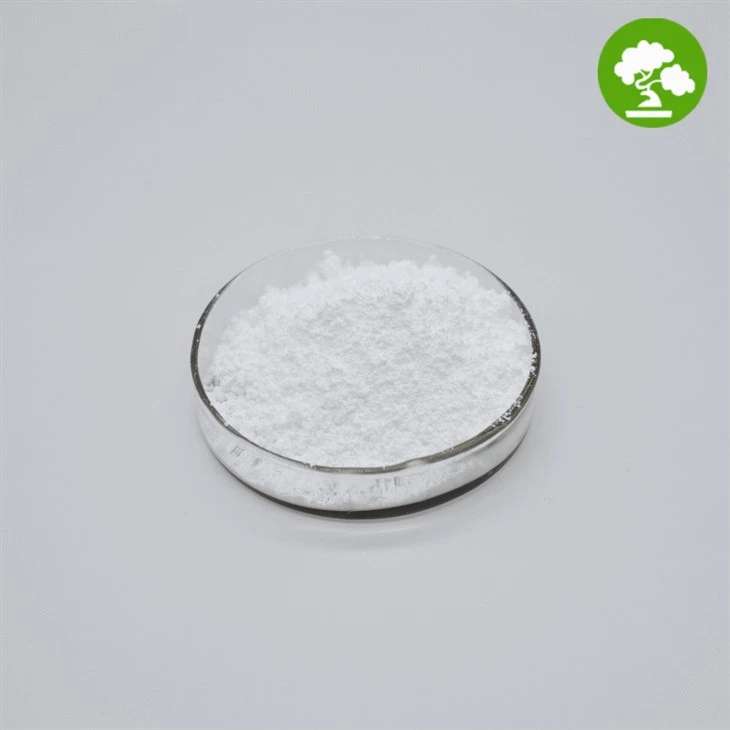
Ethyl Maltol powder is a synthetic crystalline aroma‑enhancing substance. It appears as white crystalline or needle‑shaped powder under normal ambient conditions. The material delivers distinct sweet caramel‑cotton‑candy character; when highly diluted, it exhibits soft ripe fruit‑jam notes. It possesses extremely powerful flavour boosting performance, its aroma‑enhancing capacity is 4‑6 times higher than maltol.
This product shows partial solubility in cold water, good solubility in hot water, ethanol and propylene glycol. Slight caking may occur under high‑humidity storage environment, which is a common physical phenomenon for crystalline powder, not quality degradation. Each production batch undergoes full physicochemical testing and sensory evaluation, maintaining stable performance for flavour compounding, food processing and fragrance formulation.

COA
| Item | Standard |
|---|---|
| Appearance | White crystalline / needle‑shaped powder |
| Odor | Characteristic sweet caramel note; fruity‑jam aroma upon dilution |
| Assay (dry basis) | ≥99.5 % |
| Melting Point | 89.0 – 93.0 ℃ |
| Loss on Drying | ≤0.30 % |
| Residue on Ignition | ≤0.2 % |
| Heavy Metals (as Pb) | ≤10 mg/kg |
| Arsenic (As) | ≤3 mg/kg |
| Solubility | Sparingly soluble in cold water; soluble in hot water, ethanol, propylene glycol |
Functions and Effects
★ Powerful Aroma Boosting Effect
It is an efficient flavour synergist. Even at very low dosage, it can amplify sweet, fruity, caramel and vanilla‑type notes in formulas, enriching roundness and fullness of overall flavour profile.
★ Off‑note Masking Ability
Capable of suppressing bitter, sour, metallic and unpleasant raw‑material off‑notes. Widely applied to cover undesirable taste or odour from plant extracts and functional components.
★ Good Thermal Stability
Stable under conventional processing temperature up to 160℃, suitable for high‑temperature baking, heating‑sterilisation and hot‑mix production workflows.
★ Versatile Blending Compatibility
Works harmoniously with vanillin, maltol, furaneol, fruit essences, tobacco bases and oriental perfume raw materials. Widely used in edible flavour as well as fine‑fragrance creations.

Application Fields
◆ Edible Flavour & Food Manufacturing
Applied in confectionery, baked goods, dairy desserts, beverages, fruit preparations. Use at low ppm‑level dosage to strengthen caramel, berry and honey‑sweet profiles, mask bitter or harsh notes in finished food products. Follow local food additive regulations for maximum permitted dosage.
★ Fine Fragrance & Fragrance Compounding
Used in gourmand, oriental, vanilla‑theme perfume compositions. Brings sugary‑caramel gourmand nuance. Normally added in tiny proportions, overdose will lead to cloying heavy sweet odour.
★ Personal‑care & Home‑fragrance Raw Material
Incorporated into scented candles, reed‑diffuser formulas and cosmetic fragrance bases to build candy‑sweet gourmand accords. Strictly control addition ratio according to IFRA requirements.

Business Scope

Packaging And Transportation Methods

Certificationss

FAQ
Our address
No. 56, Jinye 1st Road, Hi-Tech Zone, Xi'an,Shaanxi Province, China
Phone Number
15399049741
qinhe03@xaltbio.com

Hot Tags: ethyl maltol powder, China ethyl maltol powder manufacturers, suppliers, factory, Ethyl Vanillin, Hedione Fragrance Ingredient, Natural Agarwood Essential Oil, Natural Bergamot Essential Oil, Natural Eucalyptus Essential Oil, Triethyl Citrate Essential Oil


