




Product Description
Natural Patchouli Oil is an iconic natural perfumery raw material cherished for its deep earthy‑musky‑woody character. Dominated by patchoulol together with various sesquiterpene components, it delivers outstanding fixative performance to hold volatile notes and build solid base‑note structure within complex blends. Freshly produced oil may carry slight raw herbal sharpness, which gradually mellows into smoother, rounder aroma with proper ageing.
It dissolves well in ethanol and cosmetic oil‑phase materials and is insoluble in water. Natural batch differences caused by growing origin and leaf maturity remain within commercial acceptable tolerance. Compliant with IFRA standards, it is widely applied in fine perfume, personal care, washing articles and home fragrance sectors.

COA
| Test Item | Specification |
|---|---|
| Specific Gravity @25℃ | 0.950‑0.975 g/mL |
| Refractive Index @20℃ | 1.5070‑1.5150 |
| Optical Rotation @20℃ | ‑66° ~ ‑40° |
| Flash Point (Closed‑cup) | ≥110 ℃ |
| Acid Value | ≤4.0 mg KOH/g |
| Solubility | Soluble in ethanol & oils, insoluble in water |
| Odor | Matches reference standard sample |
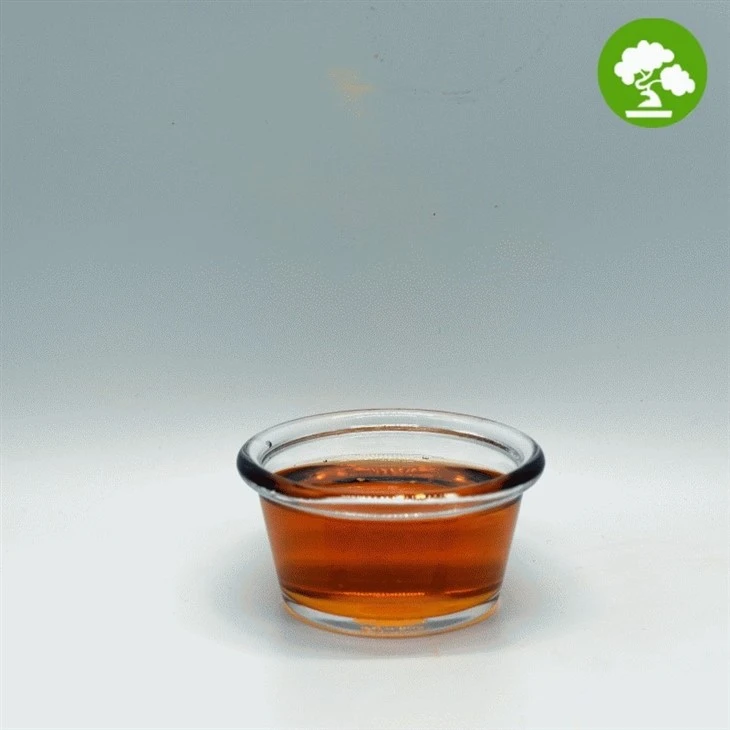
| Appearance | Amber to dark reddish‑brown viscous oily liquid |
Functions and Effects
★ Signature deep earthy‑musky‑woody profile, aroma gets smoother and more sophisticated with ageing, a unique feature among natural essential oil
★ High patchoulol content brings powerful natural fixing capacity, stabilizes fleeting top‑middle notes and strengthens fragrance dry‑down performance
★ Excellent blending adaptability, harmonizes with woods, resins, florals, spices and citrus ingredients to enrich formula depth
★ Good thermal stability, performs reliably in most cosmetic and home‑fragrance processing conditions

Application Fields
◆ Forms the earthy‑woody backbone for chypre, oriental, fougère, bohemian‑style and unisex perfume creations; deepens base‑note texture and balances bright or spicy accords.
◆ Brings sophisticated earth‑woody‑musky nuance to massage oil, body balm and premium skincare lines, creating grounded natural‑scented sensory experience.
◆ Adds heavy‑bodied earth‑herbaceous complexity to luxury soap, body wash and hair‑care products, delivering long‑lasting post‑wash scent impression.
◆ Builds rich earth‑oriental ambient mood for scented candles, reed diffusers and room mists, offering stable scent expression in wax and diffuser carriers.

Business Scope

Packaging And Transportation Methods

Certificationss

FAQ
Our address
No. 56, Jinye 1st Road, Hi-Tech Zone, Xi'an,Shaanxi Province, China
Phone Number
15399049741
qinhe03@xaltbio.com

Hot Tags: natural patchouli oil, China natural patchouli oil manufacturers, suppliers, factory, Benzophenone Powder, Black Tea Fragrance Base Essential Oil, Dihydro Jasmone Essential Oil, Exaltolide Fragrance, Iso E Super CAS 54464 57 2, Triethyl Citrate Essential Oil


