


Product Description
Sorbic Acid is an organic unsaturated carboxylic acid preservative raw material. It exhibits optimal anti‑microbial performance in weakly‑acidic systems; efficacy drops under neutral or alkaline environments.
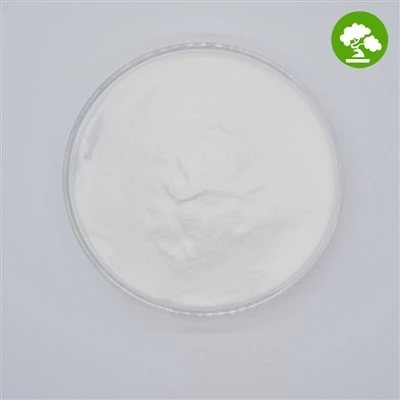
- Physical feature: White crystalline powder with slight characteristic odour; slightly soluble in cold water, soluble in ethanol and organic solvents.
- Formula compatibility: Good compatibility with most formula raw materials; low addition dosage brings anti‑mould effect with minimal impact on original flavour & colour of finished goods.
- Synergistic property: Can work together with other preservative ingredients for compound anti‑corrosion systems, expanding applicable pH scope for formulations.
- Grade options: Food‑grade as main stock; cosmetic‑grade & industrial‑grade available upon request.

COA
Below is the standardized specification and typical COA test data for our sorbic acid powder. All test items follow FCC and GB1886.189 standards. Each production batch will be accompanied by an independent COA report for your quality inspection and compliance filing.
| Test Items | Specification | Test Result |
|---|---|---|
| Appearance | White crystalline powder | White crystalline powder |
| Odor | Slight characteristic odor | Slight characteristic odor |
| Assay (Dry Basis) | 99.0 ~ 101.0 % | 99.65 % |
| Melting Range | 132.0 ~ 135.0 ℃ | 132.8 ~ 133.6 ℃ |
| Loss on Drying | ≤ 0.50 % | 0.28 % |
| Residue on Ignition | ≤ 0.20 % | 0.09 % |
| Aldehydes (as HCHO) | ≤ 0.10 % | <0.03 % |
| Lead (Pb) | ≤ 5 mg/kg | <2 mg/kg |
| Arsenic (As) | ≤ 3 mg/kg | <0.5 mg/kg |
| Mercury (Hg) | ≤ 1 mg/kg | <0.1 mg/kg |
| Heat Stability | No discoloration after heating 90min at 105℃ | Pass |
| Identification | Conforms to standard spectrum | Pass |
Functions and Effects
It is a broad-spectrum anti-mold raw material, mainly active against moulds and yeasts.
- pH dependent activity: Optimal working range is pH below 5.5. The inhibitory effect gradually weakens as the pH value rises close to neutral and alkaline range; it is not suitable for neutral or alkaline formulation systems.
- Low dosage requirement: Effective anti-spoilage performance can be achieved at low addition level, minimizing interference to the base formula's original flavour, colour and texture.
- Targeted inhibition: It restricts microbial cell metabolism and prevents mycelium growth and spore germination, rather than rapid bactericidal effect. It works continuously to suppress microbial proliferation over the shelf life of finished products.
- Wide compatibility: Stable coexistence with most thickeners, sweeteners, surfactants and other common raw materials in acidic formula systems.
- Synergistic potential: It can be combined with other permitted preservatives to expand the inhibitory spectrum and improve stability under complex formulation conditions.

- Thermal stability: It maintains good activity under conventional pasteurisation temperatures, and will not decompose rapidly during normal thermal processing of acidic products.

Application Fields
A. Food Preservation
Beverages, jams, pickles, bakery, meat‑seafood products and other acid‑type food formulations Purchaser Value: Effective antimicrobial performance under acidic pH; comply with food‑additive regulatory limits of target market.
B. Cosmetic & Personal‑Care
Lotion, cream, cleansing and rinse‑off personal‑care products, oral‑care formulations Purchaser Value: Works best below pH 4.5; formulate within legal dosage range for cosmetic preservative systems.
C. Feed & Aquaculture
Feed premix, feed anti‑mold formulation, aquaculture auxiliary formula Purchaser Value: Controlled anti‑mould activity, match feed‑grade specification and regional feed‑additive compliance requirements.
D. Fine‑Chemical Synthetic Intermediate
Fragrance synthesis, pharmaceutical raw‑material synthesis, dyestuff intermediate Purchaser Value: High‑purity feedstock for downstream organic synthesis reactions.
E. Agricultural Post‑Harvest Treatment
Fruit & vegetable post‑harvest anti‑spoilage auxiliary, plant‑extract liquid preservation Purchaser Value: Restrain spoilage microorganism reproduction, compatible with agricultural auxiliary systems.

F. Industrial & Other Formulation
Plastic additive raw material, textile & leather anti‑mold auxiliary, laboratory pH‑adjusting agent, industrial emulsion preservation Purchaser Value: Industrial‑grade option available for non‑food technical scenarios.
Supplier Advantages
Why Choose Hibo Bio as Your Sorbic Acid Powder Supplier?
- Stable Quality Control System We strictly follow FCC and GB1886.189 testing standards for every batch. Independent COA is issued before shipment, with full traceability of raw material source and production records to meet your third-party lab inspection and compliance filing requirements.
- Multi-grade Flexible Supply Food grade, cosmetic grade and industrial grade sorbic acid powder are available. We support customized index requirements to match different formulation scenarios, from food preservation to cosmetic and industrial anti-mold projects.
- Complete Compliance Document Support We can prepare regulatory paperwork tailored to your target market, supporting export declaration and local registration review.
- Professional Formulation Technical Support Our technical team offers formula reference suggestions about pH adaptation, dosage design and preservative compounding scheme. We help you solve common formulation problems such as solubility adjustment and anti-mold system matching.
- Long-term Cooperative Service Mechanism We provide dedicated sales and technical docking for bulk repeat orders. We keep you updated on production arrangements and raw material market fluctuation information for your production planning.
- Strict Pre-shipment Inspection Each batch will pass re-inspection before delivery to ensure consistency with the confirmed sample indicators, reducing the risk of quality deviation.
Supply Capacity & Packaging
- Stock status: Large-quantity spot stock; flexible MOQ, support trial order & mass bulk order.
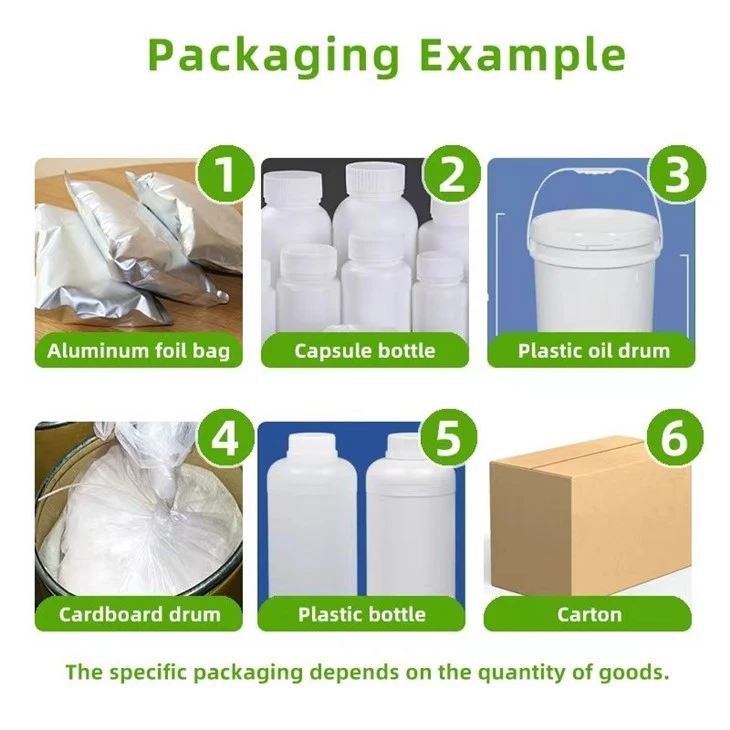
- Regular packing: 25kg cardboard drum lined with inner plastic bag.
- Optional small-size package: 1kg /5kg /25kg customized aluminium foil bag, carton, plastic bucket.
- Shipping options: Sea freight, air freight, road freight, international express for samples.
- Supported documents: COA, MSDS, Commercial Invoice, Packing List, Origin Certificate.
Business Scope

Packaging And Transportation Methods

Certificationss

FAQ
Our address
No. 56, Jinye 1st Road, Hi-Tech Zone, Xi'an,Shaanxi Province, China
Phone Number
17392201945
dennis06@xaltbio.com

Hot Tags: sorbic acid powder, China sorbic acid powder manufacturers, suppliers, factory, Ammonium Alum Powder, Calcium Hydrogen Phosphate Powder, Fish Collagen Oligopeptide 99 Premium Natural Nutrition Supplement, Magnesium Glycinate Powder 99 , Natamycin Powder, Pure Vitamin C Powder