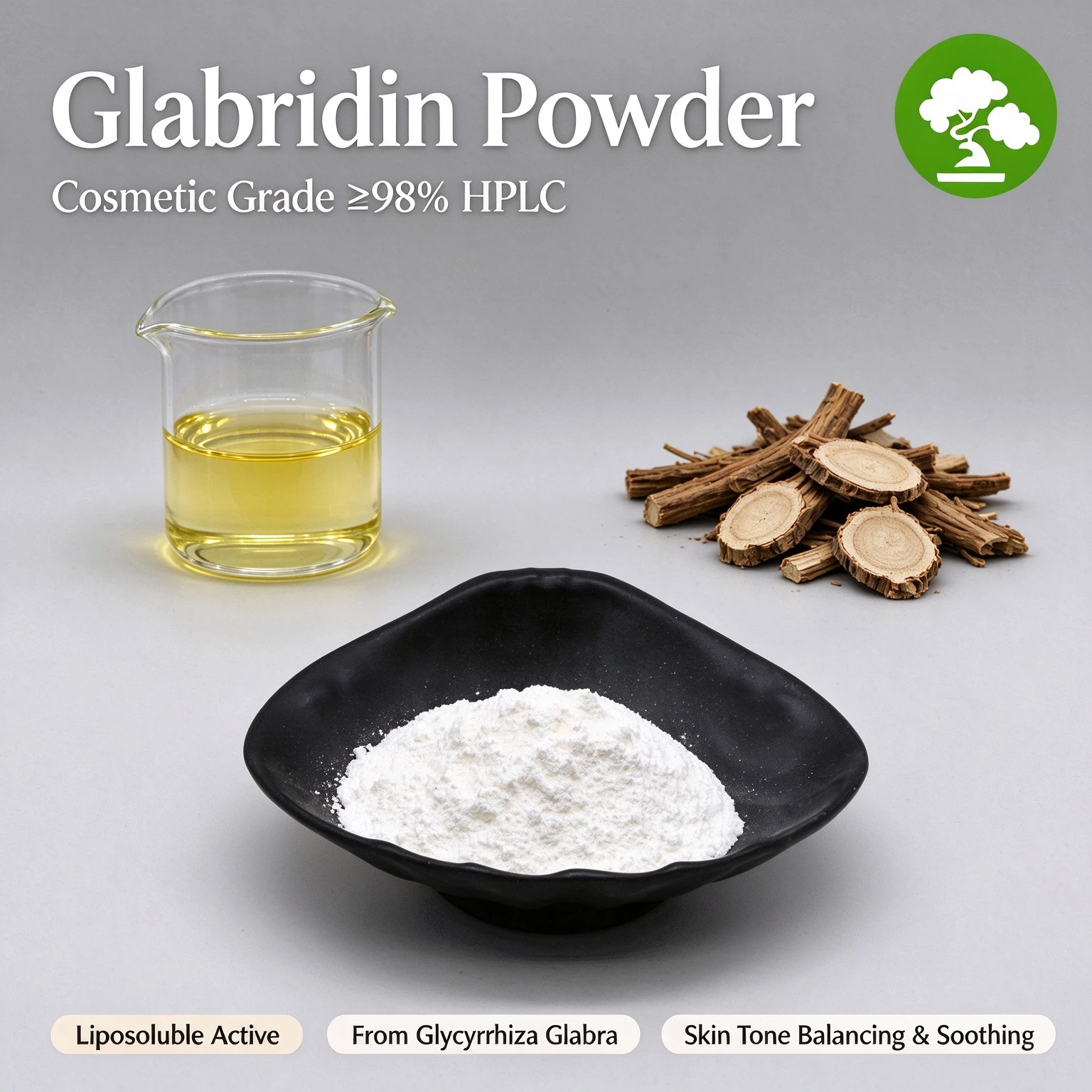
Glabridin Powder

Glabridin Powder
Details
Synonyms: Glabridin Powder, Cosmetic Grade Glabridin, Licorice Root Flavonoid Extract
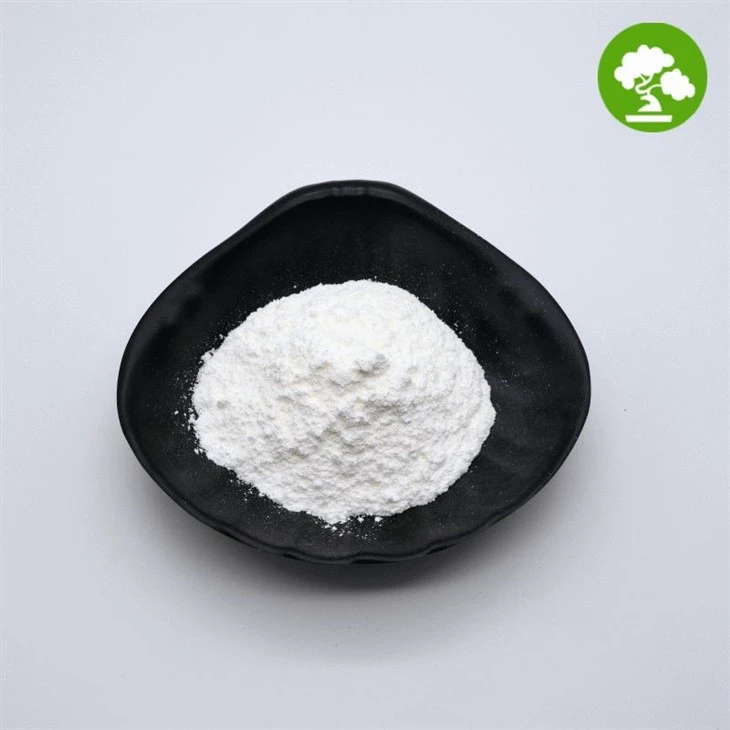
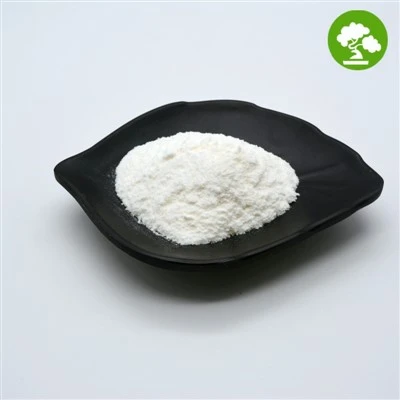
Appearance: White to off-white fine crystalline powder, faint inherent herbaceous odor, liposoluble, insoluble in pure water, good flowability, free from agglomeration and visible foreign impurities
Raw Source: Select dried root of Glycyrrhiza glabra L., natural botanical extraction source, cosmetic-grade deep purification
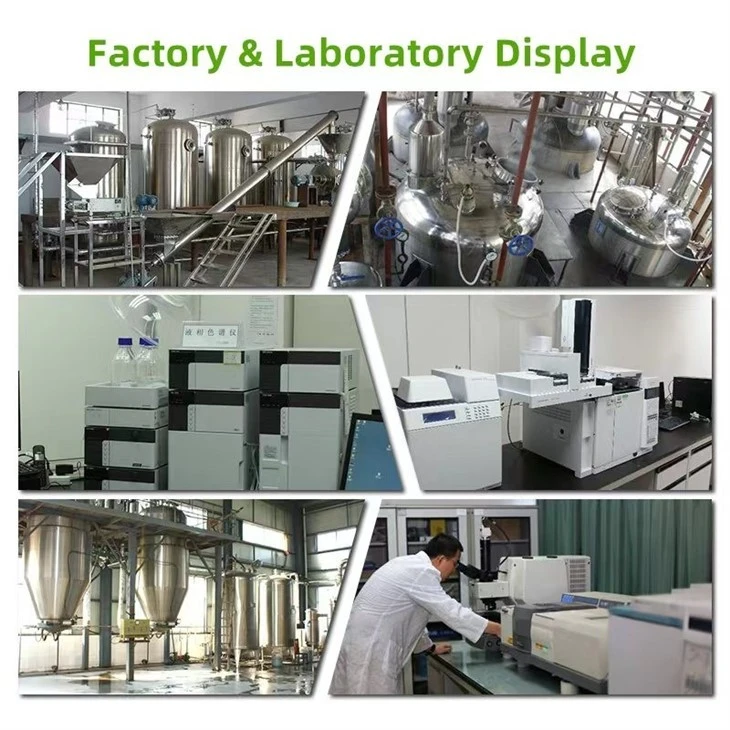
Technology: Raw material crushing, ethanol-water gradient extraction, solvent recovery, macroporous resin enrichment, chromatographic separation, recrystallization, vacuum drying, ultra-fine grinding and precision sieving
Recommended Dosage (Cosmetic Grade): 0.001%-0.1%; 0.001%-0.03% for soothing essence, antioxidant serum and daily brightening toner; 0.03%-0.1% for brightening cream, spot care gel and anti-irritation repair formulations
Category
Cosmetic Raw Materials
Share to
Send Inquiry
Product Details

Product Description


●Pure Glabridin Powder is a high-value natural flavonoid active ingredient extracted from Glycyrrhiza glabra root, specially refined for cosmetic applications. High-purity Glabridin works by restraining tyrosinase activity to moderate pigment formation, alleviating skin redness and inflammatory reactions triggered by external stimuli. It scavenges free radicals to reduce oxidative damage, supports uniform skin tone, and exhibits favorable lipophilic solubility, blending well with oils, emollients and most oil-soluble cosmetic actives. It is widely adopted in brightening serums, redness-calming creams, spot-targeted gels, sensitive skin repair lotions and post-sun care products.
1

COA


Items Specifications Test Results
Appearance White to off-white fine crystalline powder Complies
Odor Faint characteristic licorice herbal odor Complies
Assay (HPLC) ≥98% 98.6%
Loss on Drying ≤1.0% 0.42%
Residue on Ignition ≤0.5% 0.18%
Heavy Metal Total ≤10.0mg/kg Complies
Lead (Pb) ≤2.0mg/kg Complies
Arsenic (As) ≤1.0mg/kg Complies
Cadmium (Cd) ≤0.3mg/kg Complies
Mercury (Hg) ≤0.1mg/kg Complies
Microbiology    
Total Plate Count ≤1000cfu/g <100cfu/g
Yeast & Moulds ≤100cfu/g <10cfu/g
E.Coli, Pseudomonas, Staphylococcus Negative Negative

Functions and Effects

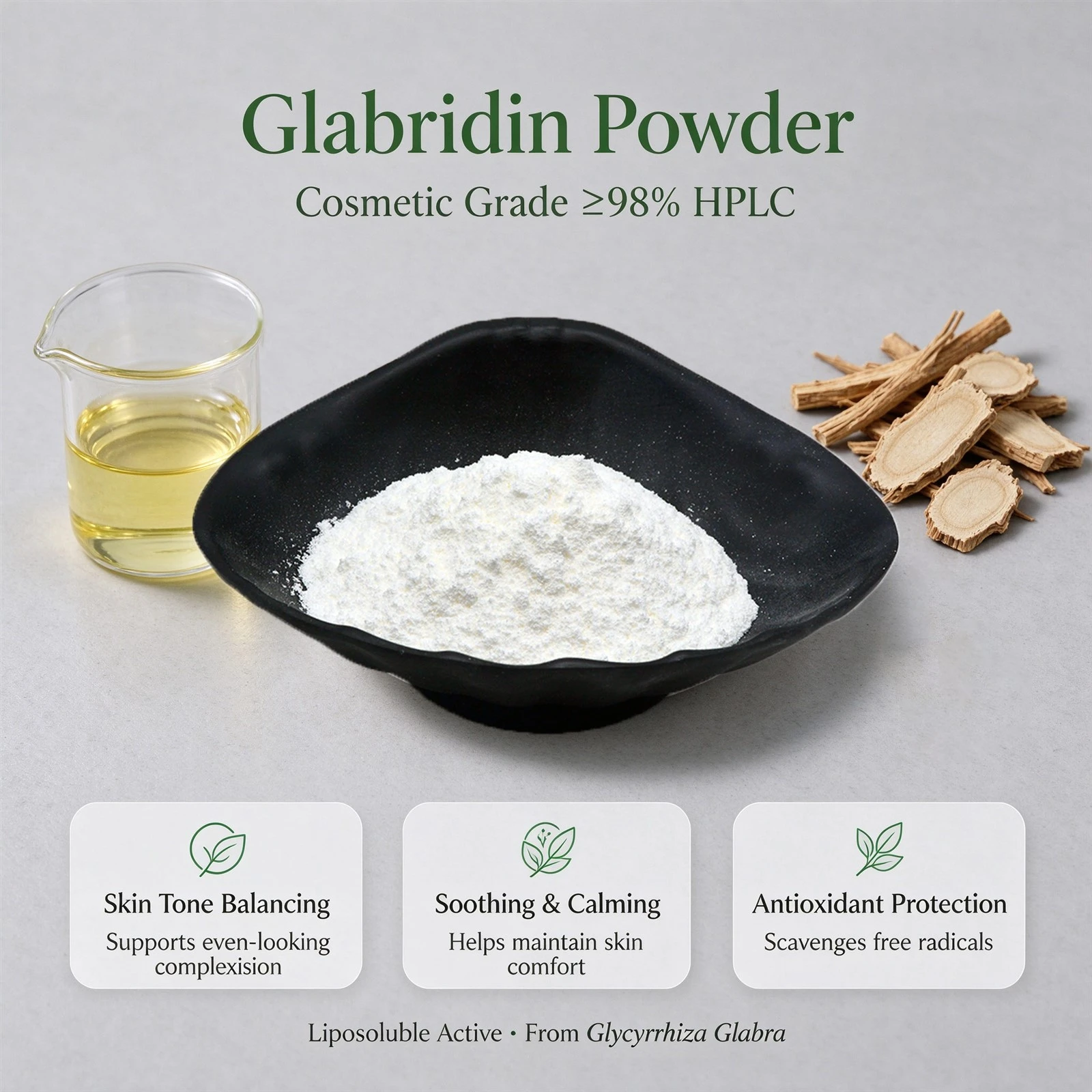
◆High-purity Glabridin modulates tyrosinase catalytic activity to downregulate melanin biosynthesis, ameliorating uneven skin tone and cutaneous dullness. It exerts soothing effects against external stimulus-induced cutaneous discomfort, and functions as an antioxidant to scavenge reactive free radicals, mitigating oxidative stress and sustaining skin homeostasis.
2


Application Fields


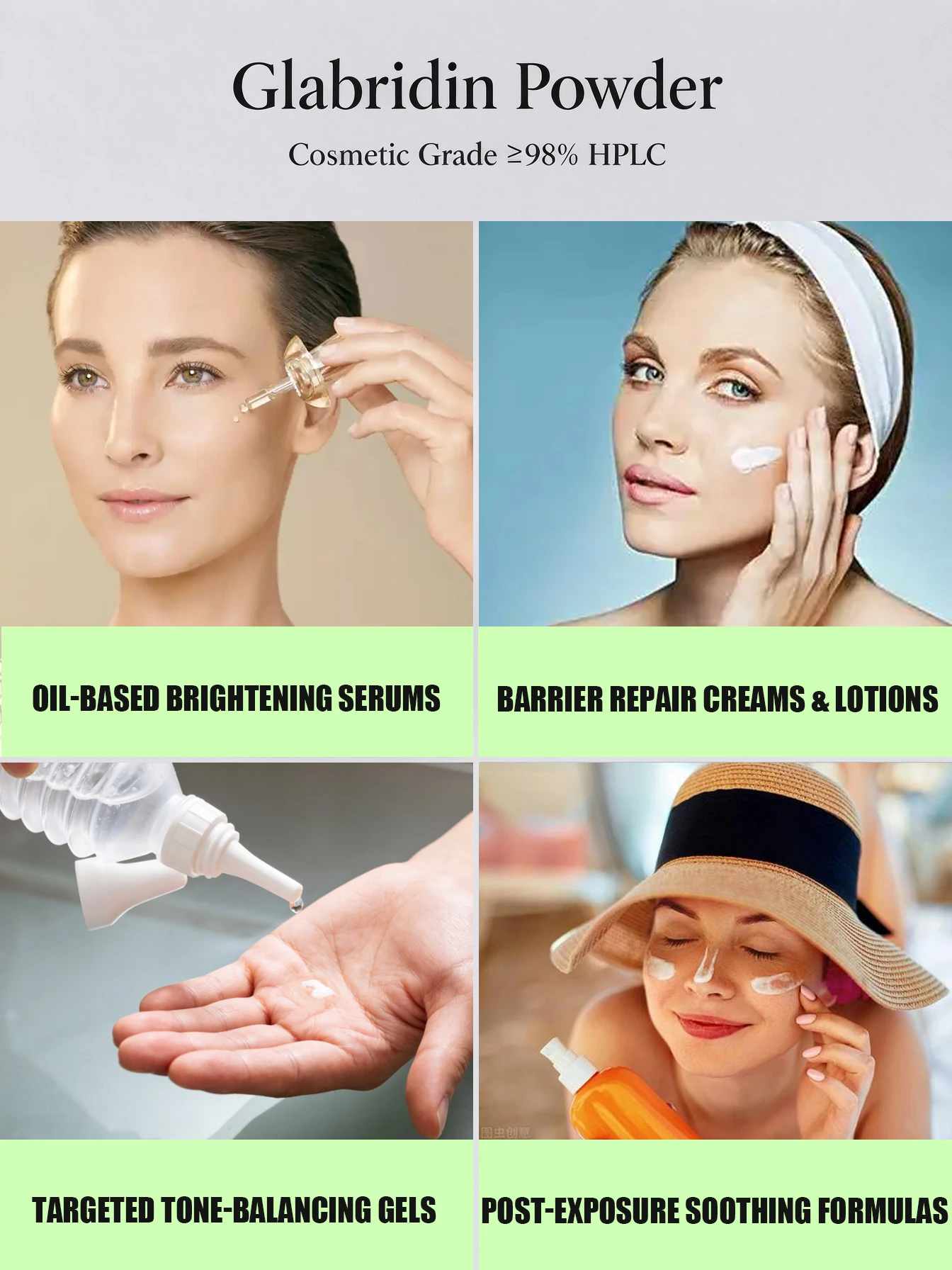
High-purity Glabridin powder is suitable for oil-phase formulated brightening serums, concentrated complexion-balancing ampoules, targeted tone-correcting gel formulations, post-exposure soothing emulsions, barrier-stabilizing facial creams, and lipid-soluble skin care concentrates. It is applicable to systems with oil, ester and emollient carriers, and can be incorporated into anhydrous skincare blends for continuous skin tone management and oxidative stress relief.

★Brightening oil serums & complexion balancing ampoules

★Targeted tone-correcting gel formulations

★Post-exposure soothing emulsions

★Barrier-stabilizing facial creams

★Anhydrous lipid-soluble skincare concentrates
3

Business Scope


0421001


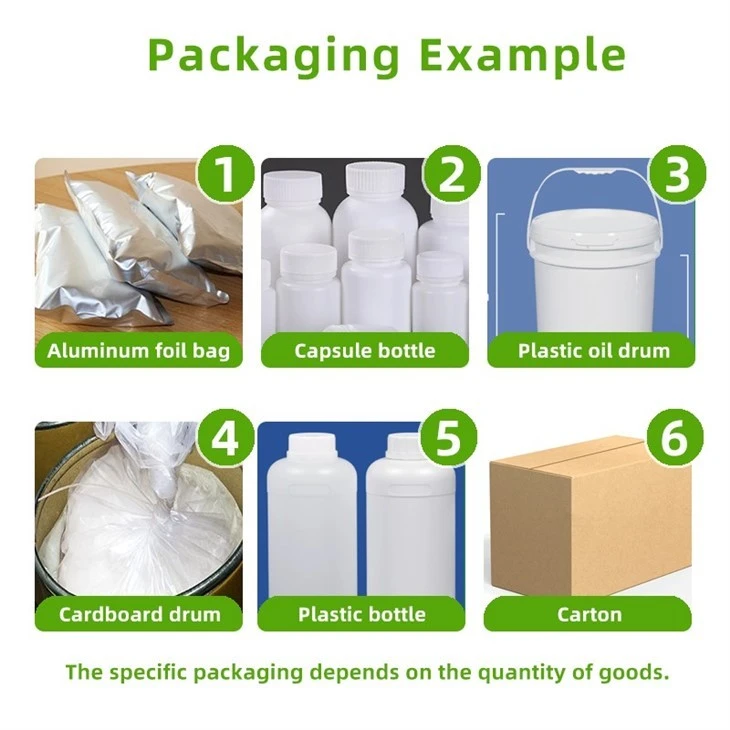
Packaging And Transportation Methods


001


Certificationss


222


FAQ


Q1: What is the botanical source and isolation pathway of this cosmetic-grade Glabridin?
A1: Glabridin is a lipophilic isoflavan constituent isolated from the dried root of Glycyrrhiza glabra L. The production workflow adopts gradient ethanol-water extraction, macroporous resin enrichment, preparative chromatographic separation, recrystallization and vacuum low-temperature drying to remove residual licorice impurities, glycyrrhizic acid and other flavonoid analogues, meeting cosmetic purification specifications.
Q2: What is its molecular mechanism for modulating pigment-related biochemical pathways?
A2: Glabridin performs competitive inhibition on tyrosinase catalytic activity, downregulates the biosynthesis rate of melanin precursors, and interferes with melanosome transfer from melanocytes to surrounding keratinocytes. It does not rely on destructive bleaching action on mature melanin.
Q3: What are its solubility parameters and formulation pre-treatment requirements?
A3: It exhibits good solubility in medium-chain triglycerides, fatty acid esters, vegetable oils and some polar cosmetic solvents; it is practically insoluble in aqueous phase. It must be pre-dissolved into the oil phase or solubilizer system under moderate heating (≤60℃) prior to homogenization; direct addition into pure water systems will lead to precipitation and activity loss.
Q4: What is the recommended dosage gradient and corresponding formulation scenarios?
A4: The cosmetic addition range is 0.001%–0.1%. 0.001%–0.03% is adopted for lightweight oil serums and ampoule concentrates; 0.03%–0.1% is applied in anhydrous blends, barrier creams and targeted tone-balancing formulations. Excessive dosage may trigger color shift of the finished product.
Q5: What are the compatibility constraints with common cosmetic functional raw materials?
A5: It shows favorable compatibility with tocopherol, squalane, ceramides, and most emollient esters. It is incompatible with strong oxidizing agents, high-concentration vitamin C (ascorbic acid) under unbuffered conditions, which can induce oxidative degradation and browning of Glabridin. Chelating agents such as EDTA-2Na can be incorporated to improve color stability.
Q6: What is the valid pH window and thermal stability profile in emulsified systems?
A6: The stable pH interval is 4.5–7.0. Under acidic conditions below pH 4.0, molecular structure is prone to hydrolysis; alkaline environments above pH7.5 will accelerate oxidation and yellowing. It tolerates routine emulsification temperature below 70℃; prolonged high-temperature sterilization above 80℃ is not recommended.
Q7: What analytical methods are adopted for quantitative testing of this Glabridin powder?
A7: The quantitative assay is implemented by reversed-phase high-performance liquid chromatography (RP-HPLC) with UV detection at 282 nm. Residual solvent, heavy metal and microbiological indicators are tested in accordance with cosmetic safety testing standards.
Q8: Is there any regulatory status for cosmetic application?
A8: Glabridin is listed as an acceptable cosmetic ingredient. It complies with cosmetic raw material requirements, and the supplied batch can provide supporting test documents including COA, heavy metal and microbial reports.
How To Cooperate With Us?

Our address

No. 56, Jinye 1st Road, Hi-Tech Zone, Xi'an,Shaanxi   Province, China

Phone Number

18092919441

E-mail

peri@taianbio.com


product-1600-470

Hot Tags: glabridin powder, China glabridin powder manufacturers, suppliers, factory, 10 Synthetic Astaxanthin, cosmetic salicylic acid, cosmetic skin conditioning ingredients, Deoxyarbutin Powder, Palmitoyl Hexapeptide 12, Potassium Sorbate
Send Inquiry