Pure Phenoxyethanol

Pure Phenoxyethanol
Details
Synonyms: Pure Phenoxyethanol, Cosmetic Grade 2-Phenoxyethanol
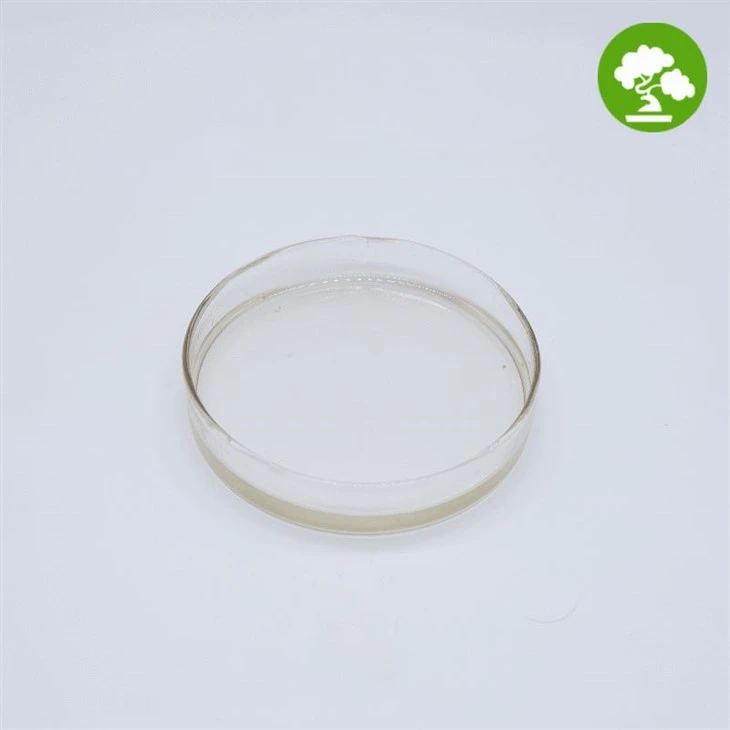
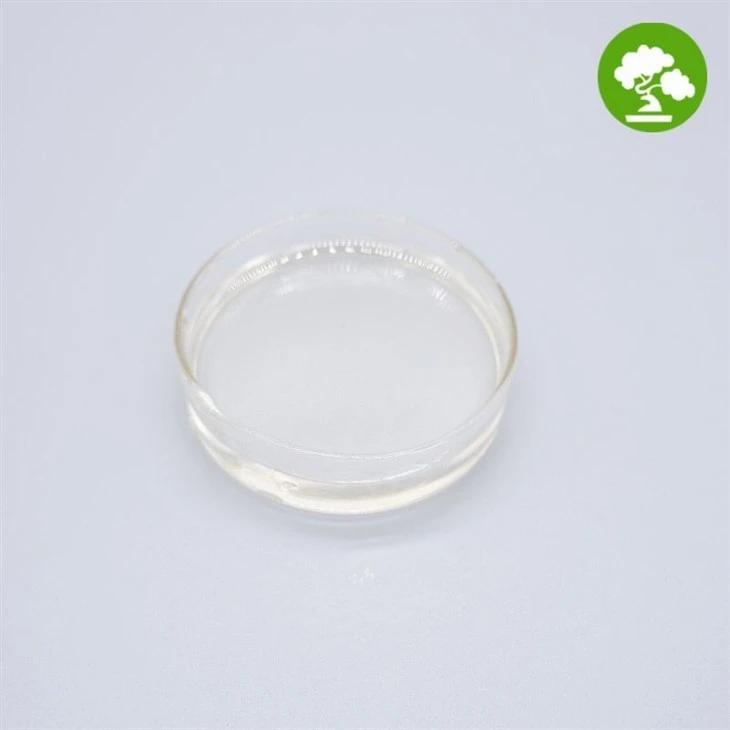
Appearance: Colorless clear viscous liquid, faint characteristic aromatic odor, miscible with water, alcohols and glycols, homogeneous without suspended solids
Raw Source: Synthetic fine chemical, highly purified to meet cosmetic safety specifications
Technology: Condensation synthesis, rectification purification, decolorization, filtration and fine finishing
Recommended Dosage (Cosmetic Grade): 0.3%-1.0%; 0.3%-0.6% for toners, serums and cleansing formulations; 0.6%-1.0% for creams, lotions and hair care systems; capped at 1.0% under EU cosmetic regulations
Extra note: Broad-spectrum antimicrobial preservative, maintains efficacy within pH 3.0–10.0, good compatibility with most cosmetic raw materials
Category
Cosmetic Raw Materials
Share to
Send Inquiry
Product Details

Product Description


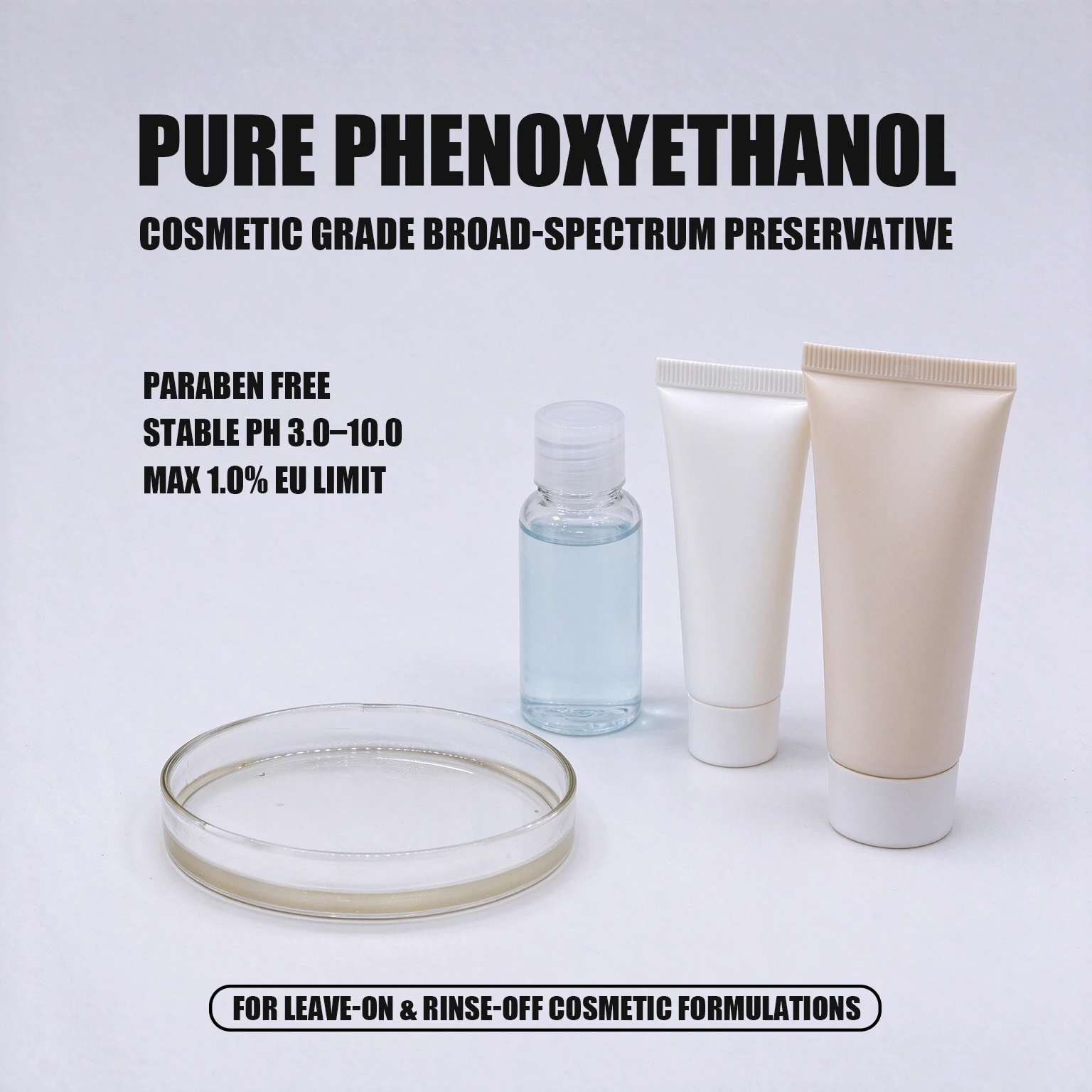
●Pure Phenoxyethanol is a cosmetic-grade broad-spectrum biostatic preservative. It effectively inhibits gram-positive/negative bacteria, yeasts and moulds. It exhibits stable antimicrobial efficacy over pH 3.0–10.0 and features excellent compatibility with surfactants, humectants and cosmetic active ingredients. As a paraben-alternative preservative, it complies with major cosmetic regulatory limits and is applicable to rinse-off and leave-on personal care formulations.
1

COA


Items Specifications Test Results
Appearance Colorless clear viscous liquid Complies
Odor Slight characteristic aromatic odor Complies
Purity (GC) ≥99.0% 99.41%
Water Content ≤0.3% 0.18%
Refractive Index (20℃) 1.537–1.543 1.539
Lead (Pb) ≤10.0mg/kg Complies
Arsenic (As) ≤2.0mg/kg Complies
Microbiology    
Total Plate Count ≤100cfu/g <10cfu/g
Yeast & Moulds ≤10cfu/g <10cfu/g
E.Coli, Pseudomonas, Staphylococcus Negative Negative

Functions and Effects

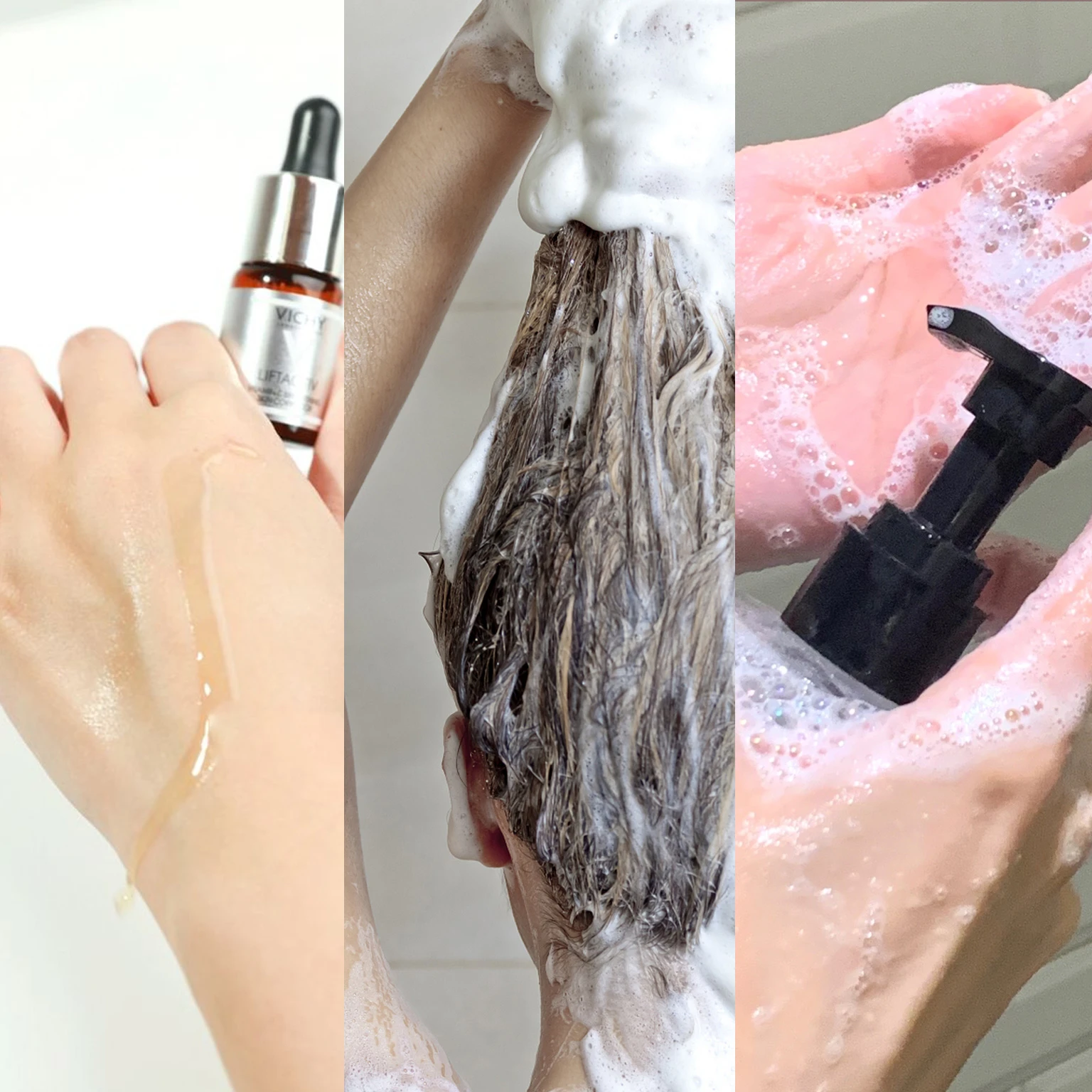
◆Pure Phenoxyethanol inhibits vegetative cells of Staphylococcus aureus, Escherichia coli, Candida albicans and Aspergillus niger to prevent microbial spoilage in aqueous cosmetic systems. Its antimicrobial activity remains stable at pH 3.0–10.0, barely interfered by conventional humectants and nonionic surfactants. It exhibits good compatibility with cosmetic actives and can be synergistically combined with caprylyl glycol or ethylhexylglycerin to lower the single dosage.
2


Application Fields


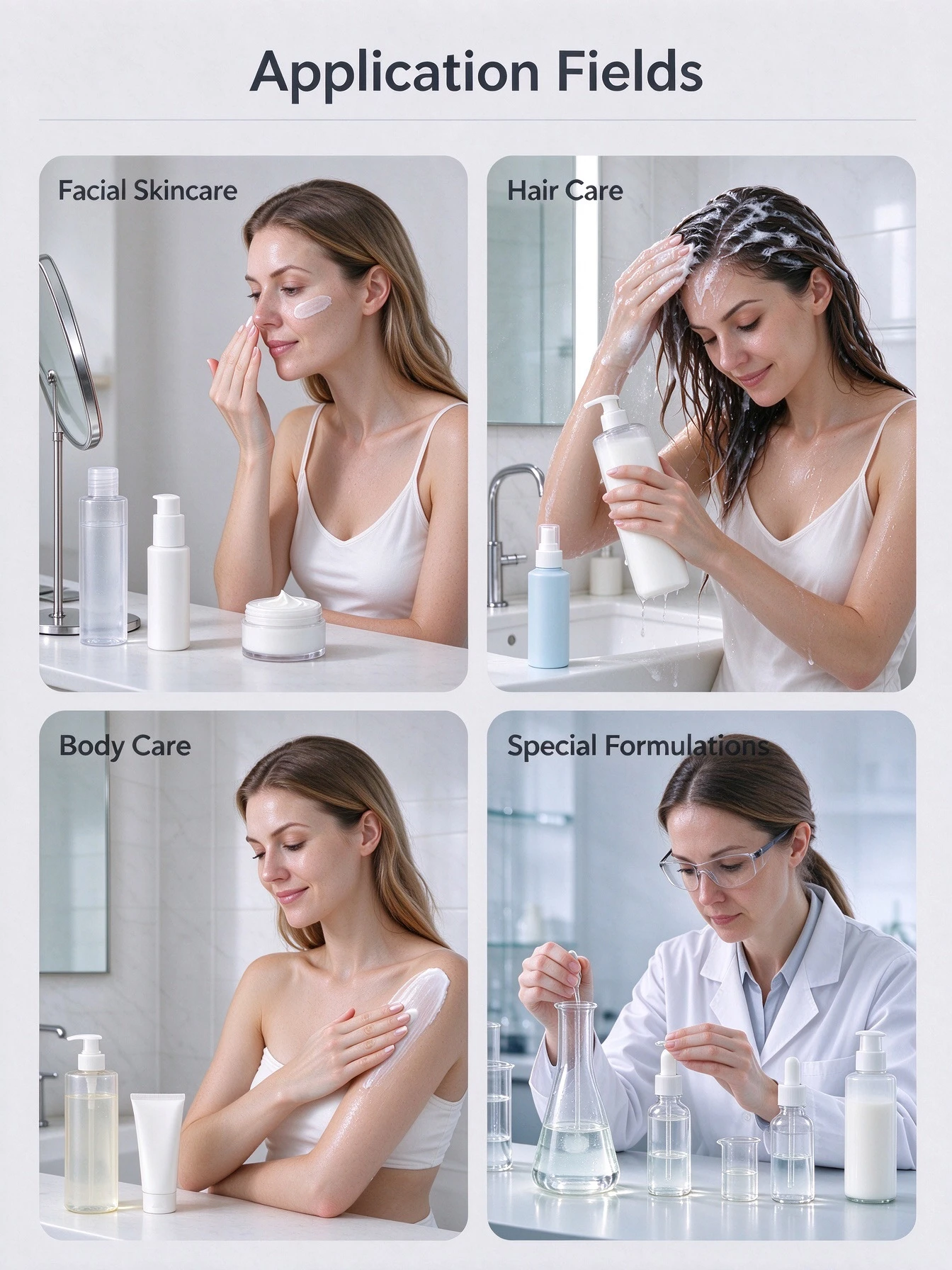
Pure Phenoxyethanol functions as a broad-spectrum biostatic preservative for cosmetic and personal care matrices. It is suitable for leave-on systems such as facial serums, brightening essences, moisturizing emulsions, barrier-repair creams, hydrogel masks, scalp care serums and body treatment lotions. It also applies to rinse-off formulations including mild facial cleansers, shower gels, shampoo, hair conditioner and exfoliating wash products. It performs well in surfactant-containing aqueous systems, botanical extract blends, hydrosol bases and low-viscosity transparent toner systems. It is commonly adopted to construct paraben-free preservation systems, and can be compounded with polyols like caprylyl glycol and ethylhexylglycerin for synergistic preservation in sensitive-skin targeted formulas.
3

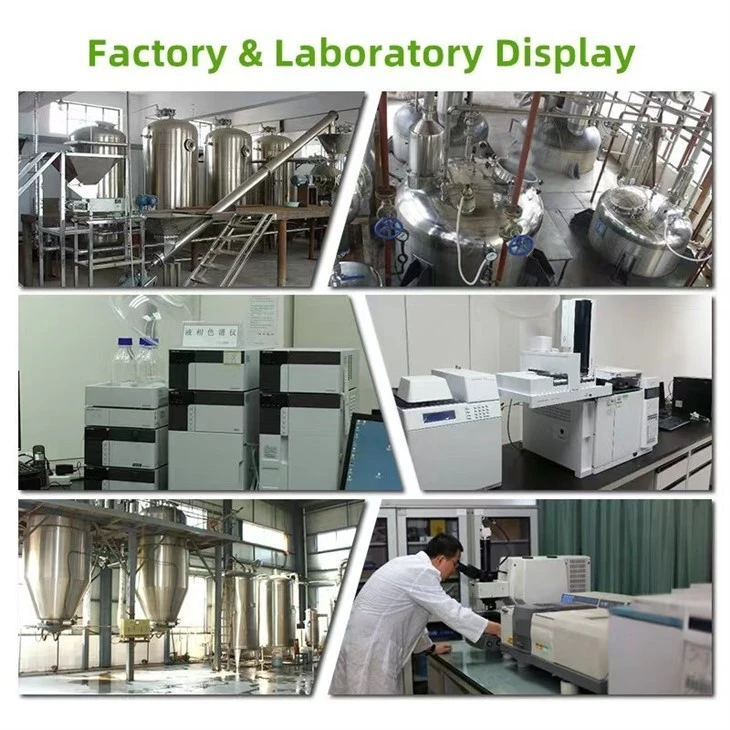
Business Scope


0421001


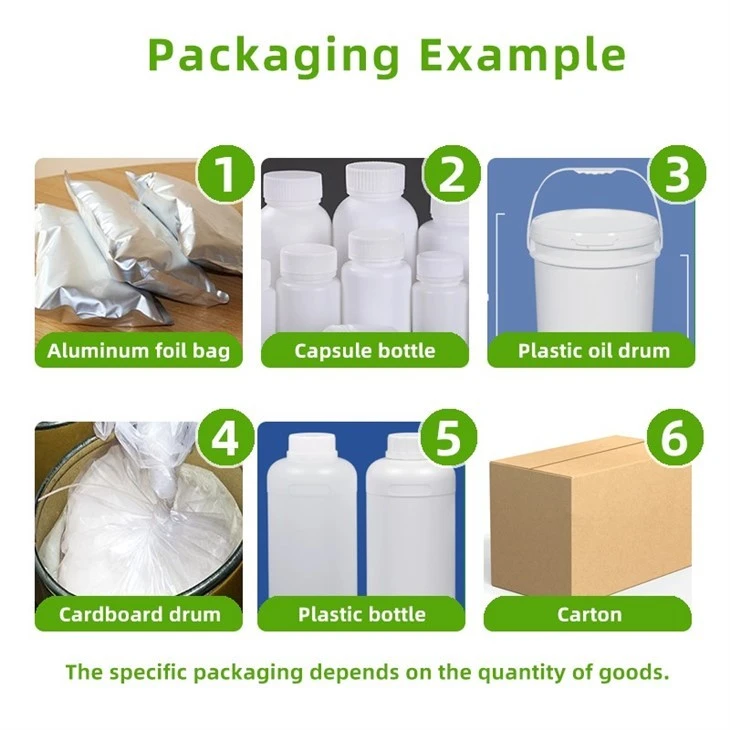
Packaging And Transportation Methods


001


Certificationss


222


FAQ


Q1: What is the antimicrobial mechanism of pure phenoxyethanol?
A1: It acts on the cell membrane and intracellular enzyme system of microorganisms, hindering substance transport and metabolic activity, thereby inhibiting the vegetative reproduction of bacteria, yeasts and moulds rather than rapid sterilization.
Q2: What is the effective pH range for pure phenoxyethanol?
A2: Its biostatic efficacy maintains stable within pH 3.0–10.0. The performance will gradually decline under strong alkaline conditions above pH 10.
Q3: Can pure phenoxyethanol be used alone as a preservative system?
A3: It can be used alone in low-risk aqueous formulas. For high-nutrient systems containing plant extracts, proteins or polysaccharides, synergistic compounding with caprylyl glycol or ethylhexylglycerin is recommended to enhance protection.
Q4: Will non-ionic surfactants reduce its preservation effect?
A4: Conventional nonionic surfactants have limited interference. High concentration of ethoxylated surfactants may form micellar encapsulation and slightly reduce available effective concentration, which requires preservative challenge test verification.
Q5: What is the maximum legal addition limit in the EU?
A5: The maximum permitted concentration in finished cosmetics is 1.0%, applicable to both leave-on and rinse-off products.
Q6: Is pure phenoxyethanol compatible with anionic surfactants and cationic conditioning agents?
A6: It shows good compatibility with most anionic and cationic cosmetic raw materials, no precipitation or discoloration under normal formulation temperature and dosage.
Q7: What temperature control should be noted during feeding?
A7: Suggest adding below 60℃. Long-term exposure to temperatures above 80℃ will accelerate volatile loss and bring odor changes.
Q8: Does pure phenoxyethanol have restrictions for sensitive skin formulas?
A8: It is a widely accepted paraben alternative preservative. For sensitive-skin and baby care formulas, lower dosage and compatibility assessment are recommended, and patch test is necessary before mass production.
How To Cooperate With Us?

Our address

No. 56, Jinye 1st Road, Hi-Tech Zone, Xi'an,Shaanxi   Province, China

Phone Number

18092919441

E-mail

peri@taianbio.com


product-1600-470

Hot Tags: pure phenoxyethanol, China pure phenoxyethanol manufacturers, suppliers, factory, 10 Synthetic Astaxanthin, Ceramide AS, Copper Peptide GHK Powder, cosmetic skin conditioning ingredients, NADH Powder, Zinc Ricinoleate

Send Inquiry