 For brand owners, formulators and bulk buyers sourcing collagen peptides for skincare, nutraceuticals and functional food lines, choosing between bovine and fish collagen peptides is one of the most critical decisions early in product development. Both collagen sources are widely popular in the global ingredient market, yet their molecular traits, dissolution profiles, regulatory status and target application scenarios set them apart significantly. Many purchasers overlook these subtle distinctions and end up selecting raw materials mismatched to their finished product positioning, compliance requirements or consumer group demands. This guide breaks down the core differences between bovine and fish collagen peptides, helping you make a specification-backed sourcing decision that aligns with your product roadmap and market strategy.
What Are Bovine Collagen Peptides?
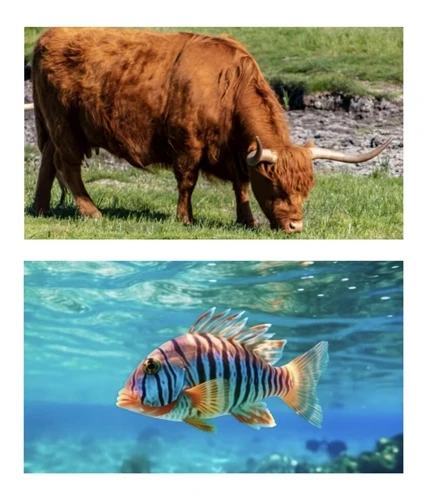
 Bovine collagen peptides are hydrolyzed collagen extracted from cattle hide, bone and other bovine tissues. After controlled enzymatic hydrolysis, large collagen macromolecules are split into small peptide fragments. As one of the earliest commercialized collagen raw materials, it has built a stable supply chain system across the world. Its peptide profile is dominated by type I and type III collagen. It is widely adopted for oral collagen powder, tablets, capsules and other finished formulations. The production process is mature, with stable batch consistency, and it is suitable for large-volume purchasing. In terms of handling characteristics, bovine collagen peptides usually come with a neutral, mild taste and good solubility in warm water. It adapts well to tablet, capsule, powder sachet and ready-to-drink formulations. For buyers serving mainstream health food markets with high order volumes, bovine collagen remains a reliable baseline option.
What Are Fish Collagen Peptides?
 Fish collagen peptides are obtained from the skin, scales and bones of marine fish, processed through hydrolysis to form low-molecular-weight collagen peptides. It mainly contains type I collagen. A standout characteristic of fish collagen peptides is its smaller average molecular weight compared with most standard bovine collagen variants. Smaller peptide size generally supports faster dissolution, which is a frequently noted material feature adopted by premium formulation brands. Marine collagen also carries a clean, marine-source sourcing narrative, which resonates strongly with buyers who prefer non-ruminant ingredients. It fits clean-label, premium nutraceutical and cosmetic raw material projects. However, buyers need to pay attention to allergen labeling rules: fish belongs to major food allergens, so finished products must carry clear allergen declarations in most regions including EU, the US and Australia. Some low-grade fish collagen lots may carry faint fishy odor, which places higher requirements on deodorization technology from suppliers.

Core Comparison: Key Dimensions for Bulk Buyers
Molecular Weight & Dissolution Performance
Standard bovine collagen peptides commonly sit at a molecular weight range of 2000–5000 Da. Fish collagen peptides are often processed below 3000 Da, many premium grades reaching 1000–2000 Da. Lower molecular weight often corresponds to quicker dissolution, which is the main material feature of marine collagen for high-end formulations. Still, dissolution performance also relies heavily on hydrolysis process control, not only the source of raw material.
Allergen, Religious & Regulatory Compliance
This is a high-priority check item for cross-border sellers.
Bovine collagen: Not classified as a common allergen. Limitations mainly come from religious certification needs. Some markets require Kosher or Halal certification for bovine-sourced materials.
Fish collagen: Classified as a seafood allergen. Mandatory allergen statement is non-negotiable. It is suitable for buyers avoiding ruminant raw materials, but cannot be used for allergen-free product lines.
Application Suitability
Bovine collagen peptides: Ideal for oral collagen powder, chewable tablets, mass-market nutritional products, pet nutrition formulas. It balances material performance and cost for large-scale production. Fish collagen peptides: Better suited for premium collagen shots, cosmetic active raw materials, clean-label brands targeting consumers sensitive to beef-derived ingredients.
Supply Stability & Cost
Bovine collagen enjoys a more sufficient global supply base. Large-scale production capacity keeps unit cost competitive for MOQ bulk orders. Fish collagen supply is tied to fishery resources and seasonal factors, so premium deodorized, low-molecular fish collagen generally carries a higher unit price.
How to Select the Right Collagen Peptide for Your Project
Start with your target market and finished product positioning. If you develop affordable nutritional supplement products with large order forecast, bovine collagen peptides will be the cost-effective solution. If you build a premium brand, highlight fast dissolution and clean marine source storytelling, fish collagen peptides match your positioning better. Second, review your compliance checklist. Confirm whether your target market requests allergen labels, Halal, Kosher or vegetarian-related declarations. Never ignore allergen risks when choosing fish collagen. Third, communicate clearly with your supplier on specifications: molecular weight, moisture content, heavy metal limits, odor control, solubility test reports and available certificates. Consistent COA documentation is essential for import customs clearance and third-party audits. Many formulators also choose blended solutions: combining bovine and fish collagen peptides to balance cost, material characteristics and marketing highlights, which is a popular mixed formulation strategy in the current collagen market.
Market Outlook of Collagen Peptide Raw Materials
Driven by growing demand for nutritional and clean-label ingredients, global demand for collagen peptide ingredients maintains steady growth. Brand owners and buyers are gradually moving past generic collagen products and paying closer attention to raw material origin, traceability and technical indicators. Both sources will keep occupying important market segments. Bovine collagen will continue dominating the mass nutraceutical market thanks to stable supply and cost advantages. Fish collagen will expand its share in high-value clean-label and marine-derived ingredient tracks. For bulk purchasers, having qualified suppliers of both options in your vendor pool brings greater flexibility to respond to shifting consumer preferences.
Final Takeaway
There is no universal "better" option between bovine and fish collagen peptides; the best choice depends entirely on your brand positioning, target audience, compliance rules and budget. Bovine collagen delivers stable material performance and economical bulk sourcing for mainstream health goods. Fish collagen provides smaller peptide size and attractive marine-origin sourcing value for premium lines, alongside mandatory allergen management. By clarifying your formulation goals and checking specification documents carefully before bulk procurement, you can pick the suitable collagen source to support your finished product competitiveness in the global market.
References
1,European Food Safety Authority (EFSA). Scientific Opinion on the evaluation of allergenic foods and food ingredients for labelling purposes. EFSA Journal, 2014, 12(11): 3894.
2,Nutritional Outlook. Collagen Sourcing and Production Methods for Finished Product Manufacturers. July 31, 2026.
3,Grand View Research. Collagen Peptides Market Size, Share & Growth Report. 2026.
4,FAO. The State of World Fisheries and Aquaculture 2022. Rome: Food and Agriculture Organization of the United Nations, 2022.
5,Collagen Stewardship Alliance. Collagen 101: Innovation Edge, Label Claims: What's Real & What's Marketing?. March 2025.