


Product Description
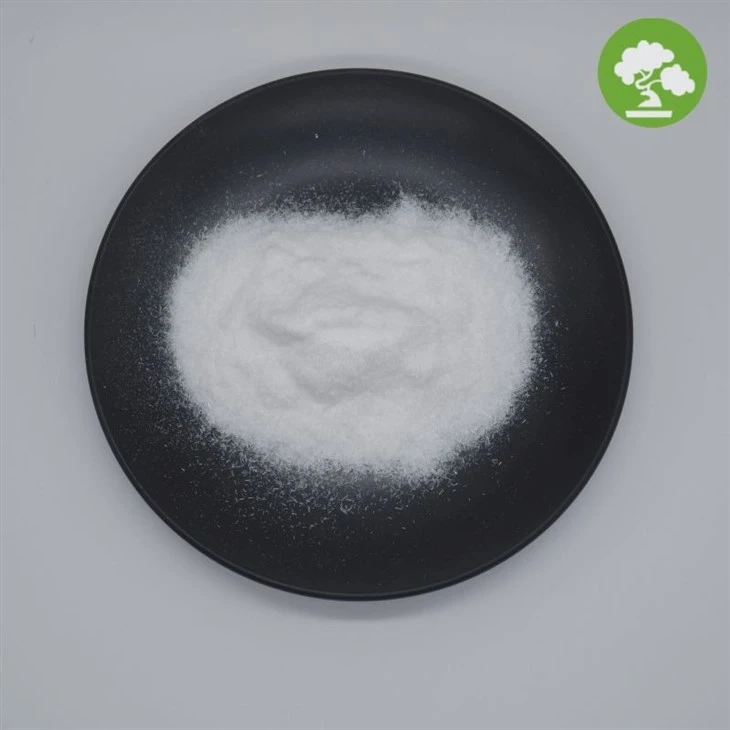
L-Asparagine Powder is a high-purity, non-essential proteinogenic amino acid available in anhydrous (CAS 70-47-3) and monohydrate (CAS 5794-13-8) forms. It appears as a white crystalline powder, is slightly hygroscopic, water-soluble, and stable under proper storage conditions. As a fundamental amino acid in biological systems, it plays essential roles in protein synthesis, nitrogen metabolism, and cellular function. This product is widely used in biochemical research, cell culture media, and specialty nutrition applications. Offered in research-grade and biotech-grade specifications, it supports consistent performance for laboratory use, biomanufacturing, and formulated products. Suitable for bulk supply and international distribution.

COA
| Item | Detail |
|---|---|
| Product Name | L-Asparagine |
| Cas No. | 70-47-3 |
| Appearance | White crystalline powder |
| Assay (on dry basis) | ≥98.0% |
| pH (5% solution, 25°C) | 5.2 |
| Loss on Drying | 0.2% |
| Heavy Metals (as Pb) | ≤ 10 ppm |
| Total Plate Count | ≤1,000 CFU/g |
| Salmonella | Negative |
| E. coli | Negative |
Functions and Effects
L-Asparagine serves as a building block for protein synthesis and supports normal cellular growth and metabolic balance. It functions as an important nitrogen carrier, helping transport ammonia between tissues and contributing to nitrogen homeostasis. In protein biochemistry, it provides the key site for N-linked glycosylation, influencing protein folding, stability, and biological activity. It can be converted to aspartate and participates in amino acid interconversion pathways. In cell culture applications, L-Asparagine supports cell viability, proliferation, and recombinant protein production. Its biochemical versatility makes it a reliable raw material for research, bioprocessing, and specialized formulation development.

Application Fields
L-Asparagine Powder is commonly used as a supplement in cell culture media such as MEM and DMEM to support mammalian cell growth and protein expression. In biochemical research, it serves as a reagent for enzyme studies, metabolic research, and protein chemistry. It is applied in biomanufacturing and fermentation processes where controlled amino acid supply is required. In nutrition and life science applications, it may be used in amino acid blends, research supplements, and laboratory formulations. This product is suitable for research institutions, biotech companies, contract manufacturers, and distributors requiring consistent quality and reliable supply. Grade selection should be confirmed based on intended use.

Business Scope

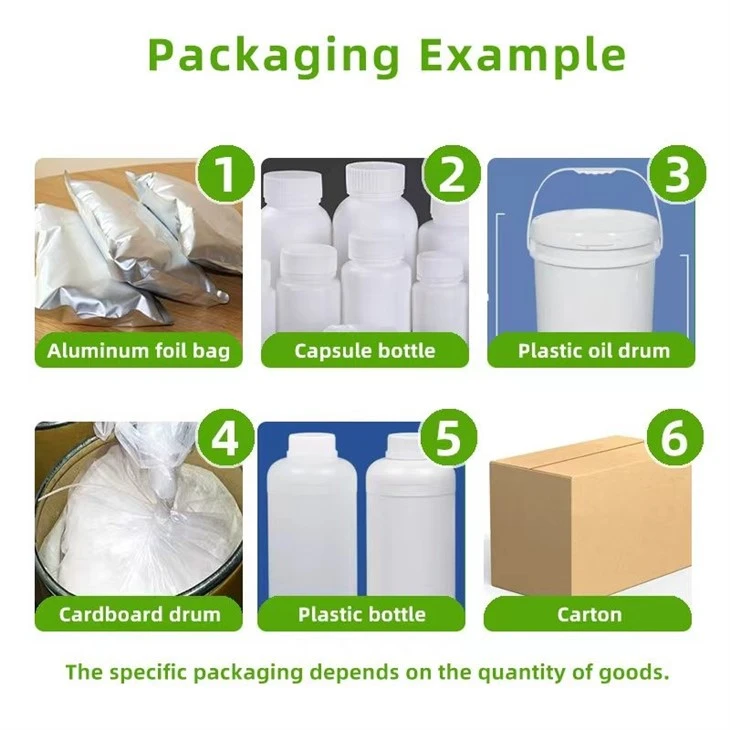
Packaging And Transportation Methods

Certificationss

FAQ
Our address
No. 56, Jinye 1st Road, Hi-Tech Zone, Xi'an,Shaanxi Province, China
Phone Number
17765020976
qinhe05@xaltbio.com

Hot Tags: l-asparagine powder, China l-asparagine powder manufacturers, suppliers, factory, fortified beverage ingredients, instant nutrition premix, micronutrient premix, Pyridoxine Hydrochloride USP Grade Powder, vitamin B fortification ingredients, Vitamin B5 Powder USP


