The global nutrition fortifier industry is entering a more mature growth phase in 2026, as food manufacturers, supplement brands and animal nutrition companies place greater emphasis on precision fortification, bioavailable nutrients and regulatory compliance. The fortified food market expanded from USD 191.2 billion in 2025 to USD 203.88 billion in 2026 and is forecast to reach USD 281.04 billion by 2031. The food fortification premix market is also expanding, with estimates showing growth from USD 1.30 billion in 2025 to USD 2.61 billion by 2035. These figures reflect sustained demand across staple foods, dairy, bakery, infant nutrition, sports nutrition, functional beverages and dietary supplements.
Consumer behavior remains one of the strongest drivers. More consumers are seeking products that support immunity, bone health, energy metabolism, healthy aging and gut wellness. At the same time, public health programs continue to promote fortification of flour, rice, salt, milk and edible oils to address micronutrient deficiencies. This dual demand-from both retail consumers and institutional programs-has encouraged ingredient suppliers to develop more standardized, traceable and application-ready nutrition solutions.
Technology innovation is reshaping how fortifiers are designed and delivered. Microencapsulation, spray-drying, liposomal delivery, fermentation-based nutrients and organic mineral complexes are becoming increasingly important. These approaches help protect sensitive nutrients during processing, improve stability in finished products, reduce flavor interference and support more consistent bioavailability. Suppliers are also moving toward customized premixes that combine vitamins, minerals, amino acids and functional bioactives into single, application-specific blends. This reduces formulation complexity for brand owners and helps ensure uniform nutrient distribution in final products.
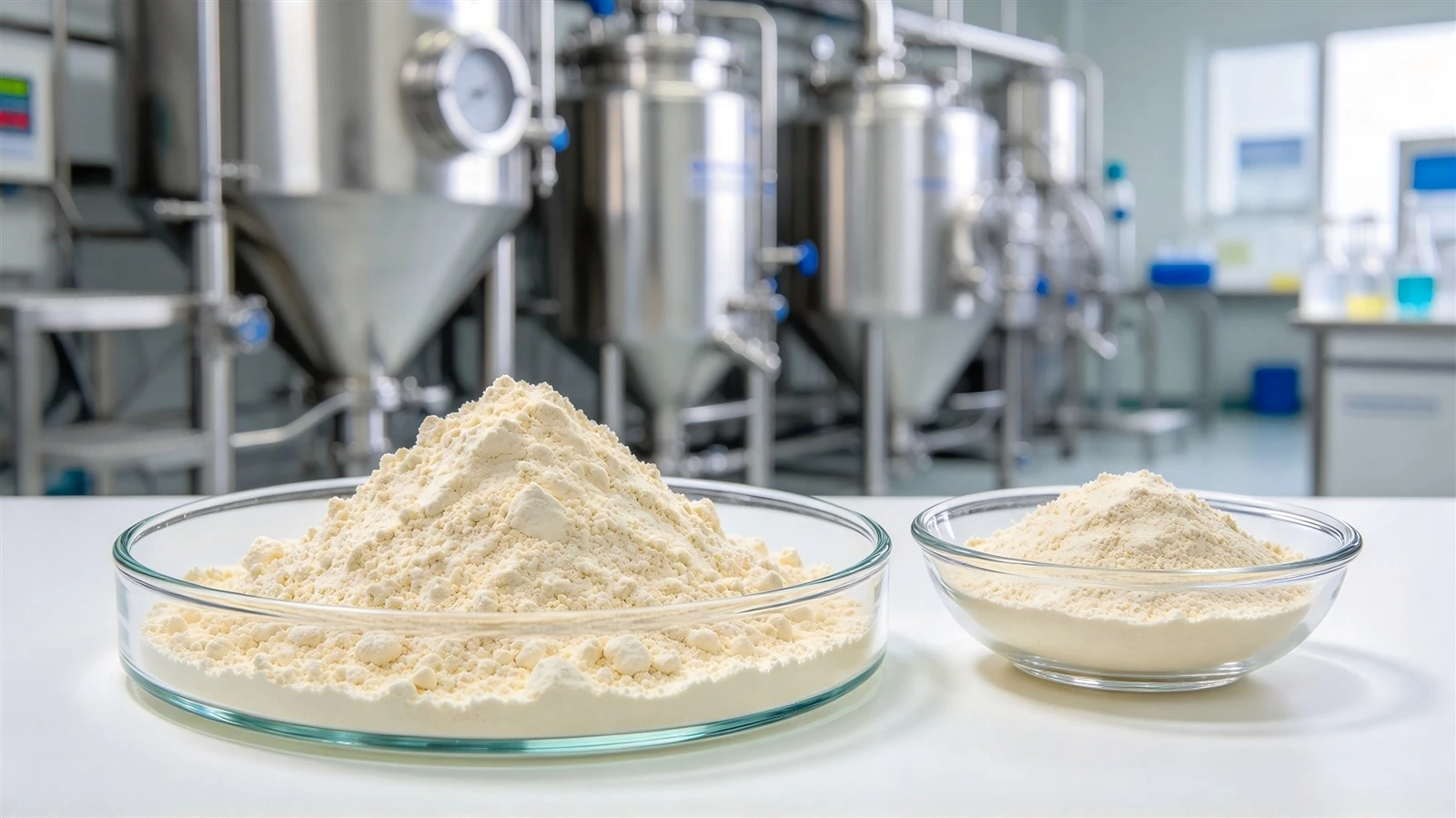
A representative example is selenium-enriched yeast, which has gained wider attention as a bioavailable organic selenium source. Produced through controlled fermentation of Saccharomyces cerevisiae, it delivers selenium mainly in the form of selenomethionine and is used in dietary supplements, functional foods, dairy powders, bakery products, animal feed and pet nutrition. Market estimates vary by definition and segment; some reports valued the global selenium yeast market at around USD 2.24 billion in 2025, while narrower definitions for high selenium yeast place the 2025 market at approximately USD 329 million. In 2026, demand is being supported by interest in antioxidant nutrition, immune support, healthy aging, livestock performance and the broader shift toward organic trace minerals in feed formulations.
The industry is also responding to supply-chain and cost pressures. Energy prices, freight rates, raw-material availability and longer shipping routes have affected certain vitamins, minerals and premix ingredients in recent years. These challenges have encouraged manufacturers to strengthen supplier qualification, improve inventory planning and invest in more resilient sourcing strategies. Companies with stable production capacity, consistent quality control and transparent documentation are becoming more competitive, especially in regulated categories such as infant nutrition, medical foods and animal feed additives.
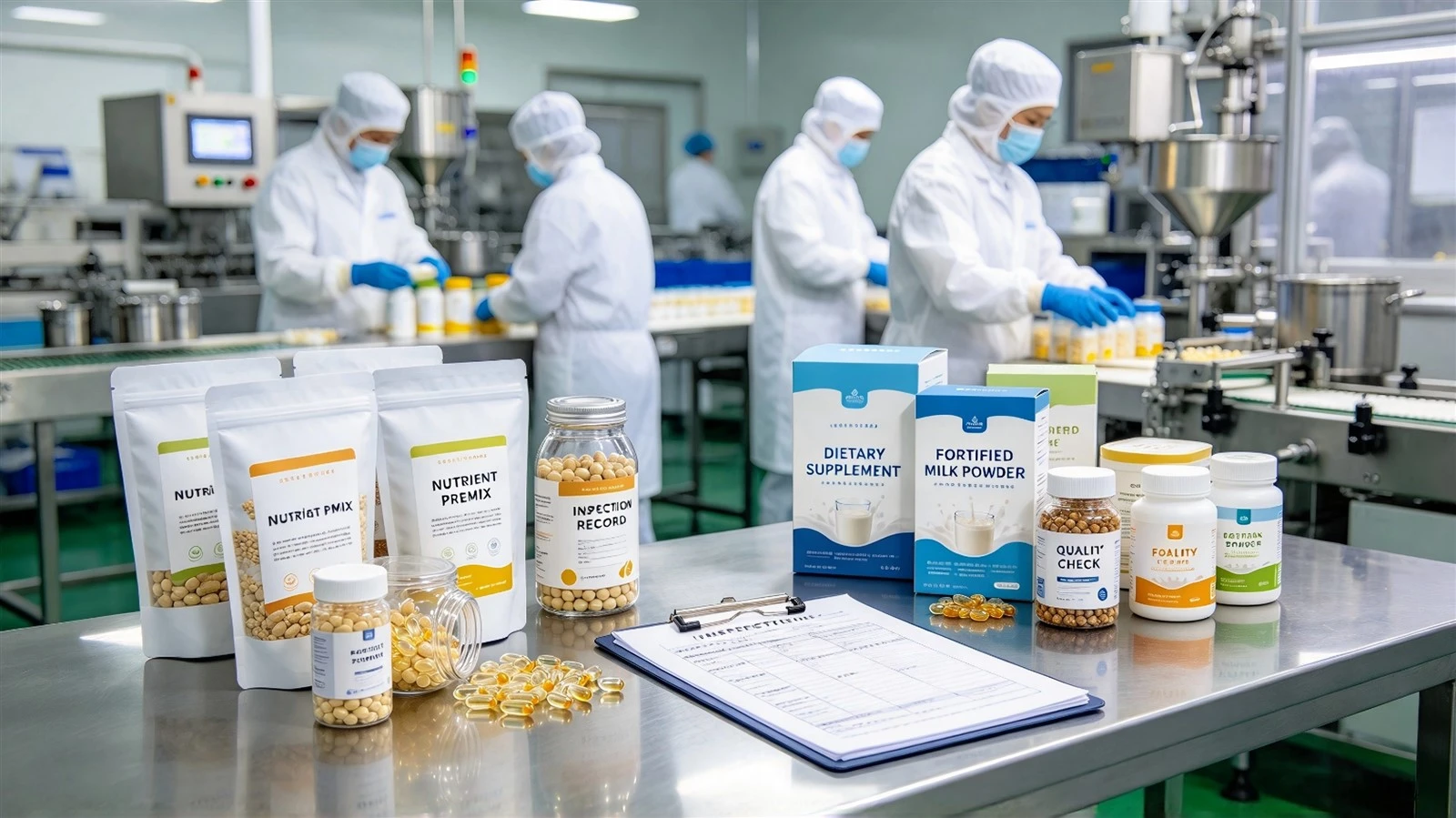
Regulatory developments are another major factor. Updated food safety standards, nutrition labeling requirements and health-claim frameworks are raising the bar for documentation, purity limits and traceability. In several markets, suppliers must provide more detailed specifications, batch testing records and compliance statements to support customer audits. This trend is accelerating industry consolidation and encouraging raw-material producers to invest in quality management systems, analytical testing and technical service capabilities.
Looking ahead, the nutrition fortifier sector is expected to remain resilient. Growth will be shaped by bioavailability innovation, clean-label development, customized premix solutions, green manufacturing and closer collaboration between ingredient suppliers and finished-product manufacturers. Companies that can combine scientific credibility, stable supply, regulatory compliance and strong application support are likely to benefit most from the next stage of global fortification demand.If you are interested,please click here.