https://www.hibobio.com/food-additives/sodium-aluminosilicate-powder.html

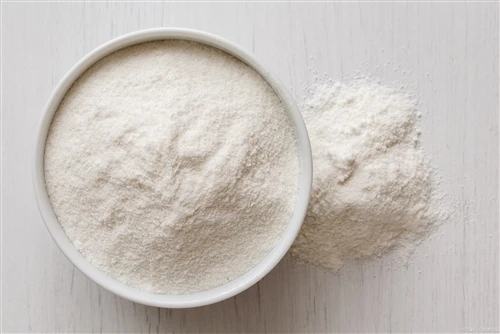
As the global market for fine powder additives continues to evolve, profound shifts are taking place in the demand structure of inorganic mineral functional materials. Sodium aluminosilicate powder, a synthetic porous inorganic silicate with the food additive code E554, has gained growing favour among formulators across food, cosmetics, pharmaceutical formulation and detergent industries thanks to its stable physicochemical properties, wide compliance scope and multi-dimensional functional value. It has become an indispensable functional raw material in many powder formulation systems. Formulators today are prioritising ingredients that balance reliable performance, low sensory interference and cross-region regulatory acceptability. Traditional anti-caking agents often struggle to maintain stability under fluctuating humidity and temperature during long-distance shipping. This synthetic silicate stands out for its controllable porous architecture, which underpins its strong adsorption and free-flow promotion capability. It meets the rising expectation of modern manufacturing, where automated filling lines require consistent powder behaviour batch after batch. Regulatory bodies such as FDA and EFSA have established clear usage frameworks to support its safe deployment in consumer products.
Unlike ordinary anti-caking powders, sodium aluminosilicate features a unique porous microstructure with excellent moisture and adsorption capacity. In high-humidity storage and transportation environments, it captures free moisture inside powder systems, blocks agglomeration between particles, and keeps seasoning blends, dietary supplements, edible salt and instant solid beverages loose and free-flowing for long periods. It eliminates common pain points such as caking and jamming during automated filling. Compared with similar anti-caking aids, this powder boasts high temperature resistance and is odourless. It will not interfere with the original flavour and colour of finished products, matching the core requirements of food processing additives for low interference and high stability. Approved by authorities including the FDA and EFSA, it is widely adopted in industrial projects such as iodized salt and compound spice mixes worldwide.


In the beauty and personal care sector, cosmetic-grade sodium aluminosilicate powder is seeing steady demand growth. Serving as a popular raw material for powder makeup, it integrates multiple benefits including filling, light scattering, oil control and improved spreadability. It can be incorporated into loose powder, pressed powder and foundation formulas to absorb excess sebum, optimise powder touch and deliver a soft-focus effect on skin. Amid the global trend of cleaner formulation and stricter compliance for cosmetic ingredients, downstream brands impose tighter controls over heavy metals and impurities in powder materials. High-purity modified sodium aluminosilicate powder has built differentiated advantages in the premium cosmetic powder market through consistent batch-to-batch performance. It helps reduce unwanted flashback under camera lighting, a key concern for modern cosmetic brands. Its inert nature ensures it does not react easily with other actives and pigments in colour cosmetics. Manufacturers can adjust particle sizes to tailor the matte finish from subtle to high coverage. Many formulators prefer it over alternatives for its non-drying feel on diverse skin types.
Pharmaceutical and nutritional formulations represent the fastest-growing segment for sodium aluminosilicate powder. Pharmacopoeia-compliant high-purity grades can be used as pharmaceutical excipients in tablets and capsule blends. They improve powder flowability, assist forming, and act as carriers for sustained-release formulas. For exporters of dietary supplements globally, many powdered health product formulations select sodium aluminosilicate as an anti-caking aid. It supports full compliance documentation including COA and SDS for cross-border shipments, meeting regulatory standards in major markets such as the EU and North America. It maintains chemical stability when blended with sensitive active nutritional ingredients. Controlled particle distribution helps avoid segregation during high-speed tableting processes. Its low moisture uptake protects hygroscopic nutrients from degradation during shelf storage. Qualified batches can match USP and EP monograph requirements for excipient use. Formulators rely on its predictable performance to reduce production rejects and waste.

Beyond consumer-facing applications, industrial-grade sodium aluminosilicate powder is valuable in phosphorus-free detergents, coating fillers and catalytic supports. As an eco-friendly alternative to phosphate additives, it functions as a water softening agent to reduce water hardness. It plays an important role in the detergent industry's phosphorus reduction transition, aligning with worldwide policies restricting phosphorus in cleaning products.
Industry research indicates the global sodium aluminosilicate market maintains steady upward momentum. High-purity grades for food, cosmetic and pharmaceutical use register notably faster growth than traditional industrial variants. This demand shift is driven by two long-term downstream trends: the wider adoption of industrialised powder manufacturing, where automated production lines raise higher requirements for powder flow and storage stability; and tighter global regulations on additive safety and traceability, pushing formulators to prefer well-established inorganic aids supported by solid safety data and clear regulatory approval.
Nevertheless, the industry faces inherent challenges. The synthesis process for high-end high-purity powder carries high technical barriers. Precise control over impurities and particle size distribution places strict demands on R&D and quality control of manufacturers. Low-end homogeneous products struggle to enter high-standard markets in Europe and America. Leading raw material suppliers keep investing in powder surface modification technologies. By optimising pore structures to enhance selective adsorption, they explore new potential applications across more emerging fine chemical scenarios.
Industry analysts forecast that demand for sodium aluminosilicate powder will keep rising in the coming years, fuelled by growing exports of dietary supplements, cosmetic ingredient upgrades and the green transition of detergent formulas. For raw material supply chain enterprises, consistent batch quality, complete compliance document packages and customised particle size grading will be core competitive edges to capture overseas B2B orders. Sodium aluminosilicate is not a universal ingredient in the diversified powder additive landscape. Still, with its broad compatibility and safety compliance, it will retain a vital position among inorganic functional powders and continue to deliver reliable formulation solutions for industries around the globe.