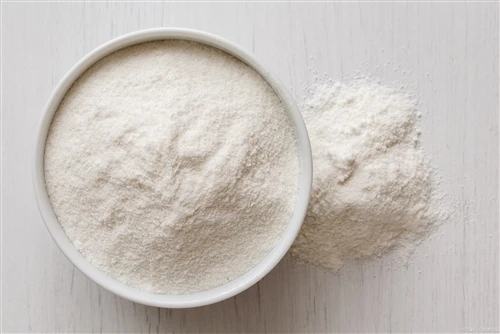
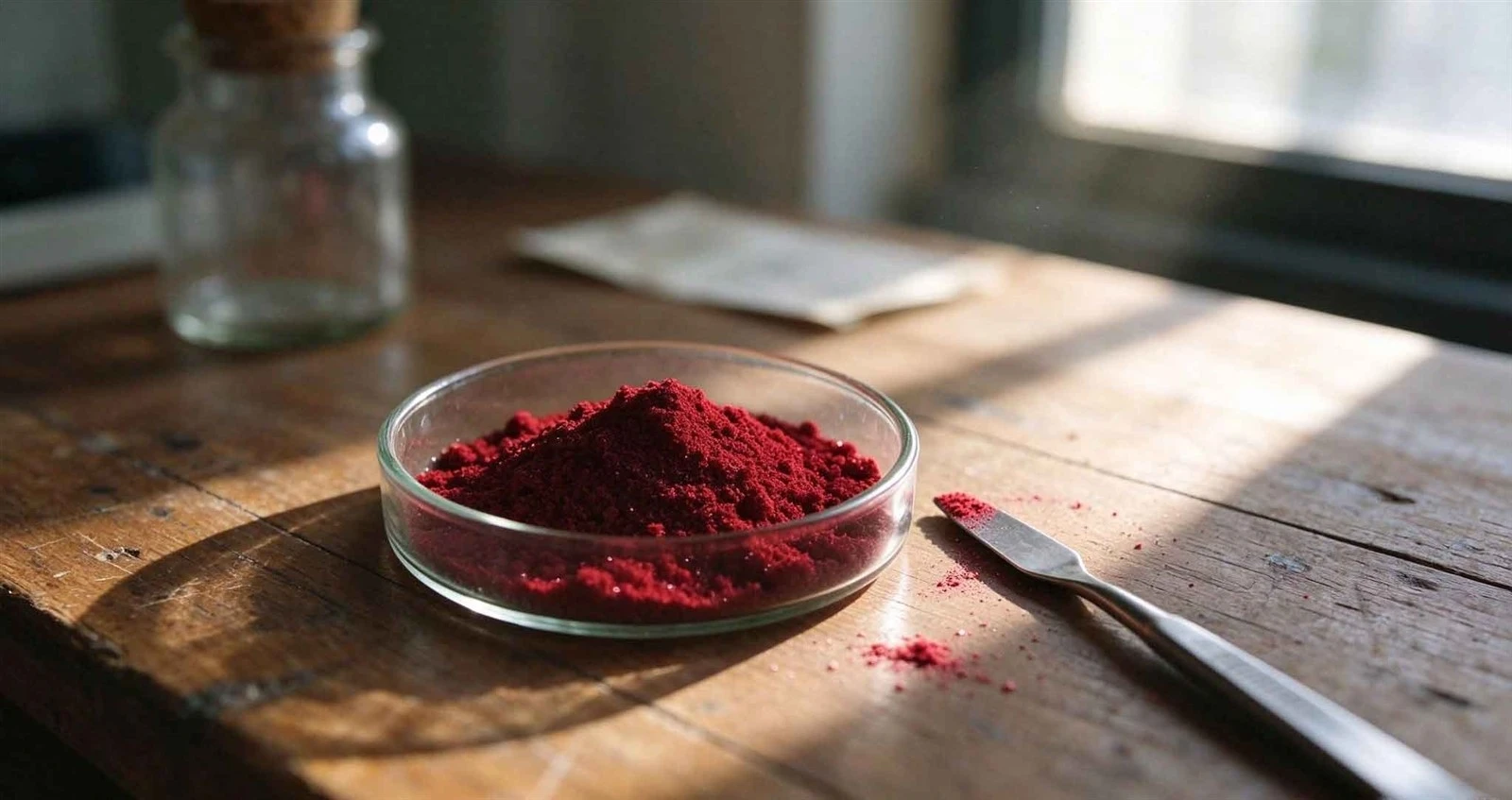
Pure methylcobalamin powder - the characteristic deep rose-red color comes from the cobalt-corrin ring at its center.
If you've spent any time on supplement buyer calls in the last two years, you've probably noticed the shift. Where inquiries used to start with "what's your cyanocobalamin price per kilo," more and more formulators are now asking a different question: "Can you source methylcobalamin powder, and is it the real coenzyme form?"
This isn't a passing trend. The global B12 ingredient market has been quietly splitting into two camps - the synthetic, low-cost cyanocobalamin that's dominated fortification for decades, and methylcobalamin, the biologically active form that the body can use directly without metabolic conversion. For raw material buyers, understanding the difference isn't just a technical exercise anymore; it's increasingly a purchasing decision that affects which finished products actually move off shelves.
What you're actually looking at when you see that red powder
Methylcobalamin (CAS 13422-55-4) is one of the two active coenzyme forms of vitamin B12 in human metabolism. The other is adenosylcobalamin, which is more stable in mitochondria but less commonly used in oral formulations. What distinguishes methylcobalamin from cyanocobalamin is the ligand attached to the central cobalt atom: a methyl group in methylcobalamin, versus a cyanide ion (in trace amounts) in the cyanocobalamin form most people already know.
Visually, pure methylcobalamin is a fine crystalline powder with a distinctive deep rose-red to magenta color. It's hygroscopic, light-sensitive, and has a characteristic faint odor. Unlike cyanocobalamin, which is relatively forgiving in tablet compression, methylcobalamin requires careful handling - exposure to UV light, moisture, or elevated temperatures can cause gradual degradation and a noticeable color shift toward brown. This is why reputable suppliers ship it in amber glass bottles or foil-lined drums, and why COAs should always include a detailed assay and loss-on-drying specification rather than just a purity percentage.

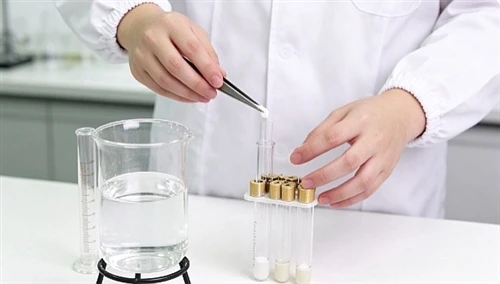
Quality control weighing of methylcobalamin powder. Because the active form degrades easily, every batch requires strict assay verification before release.
The bioavailability conversation that won't go away
The most common question we hear from formulators is straightforward: "Does methylcobalamin really absorb better than cyanocobalamin, or is it just a marketing story?"
The honest answer is that the clinical evidence is nuanced. Cyanocobalamin is still the gold standard for correcting straightforward B12 deficiency - it's cheap, stable, and reliably converted to active forms in the liver. But a growing body of research suggests that for specific populations - particularly older adults, people with MTHFR gene variants, and those on long-term metformin or acid-reducing medications - methylcobalamin may deliver more consistent serum levels because it bypasses the hepatic conversion step entirely.
What's driven the commercial shift isn't just clinical data, though. It's consumer perception. "Methylated B12" and "active B12 form" have become search terms in their own right on Amazon, iHerb, and supplement retail sites. Brands that can put "methylcobalamin" on the label command a price premium that cyanocobalamin simply can't match anymore. For raw material buyers, this means the sourcing question has evolved from "which is better" to "which form does my customer's finished product actually need."
For high-end supplement lines targeting health-conscious consumers, methylcobalamin has become a default choice rather than a premium upgrade. The cost difference per kilogram is significant, but the label-value gap is larger.
What buyers should verify before signing a purchase order
Not all methylcobalamin powder on the market is equal. Because the active form is more expensive and more sensitive to degradation, there's a real incentive for less scrupulous suppliers to cut corners. Here's what we recommend checking before you commit to a volume order:
SOURCING CHECKLIST
COA assay must show ≥ 98% methylcobalamin content - not just "total cobalamin" or "B12 activity." Some suppliers blend forms and report combined numbers.
Check the residue on ignition and heavy metals - particularly cobalt, mercury, and lead. Acceptable limits should match EP or USP monograph standards.
Ask about the packaging and storage data - if it's not shipped under nitrogen in an amber container, degradation between the factory and your warehouse is a realistic risk.
Request a stability study summary - reputable manufacturers will have 12- or 24-month accelerated stability data showing assay retention under controlled conditions.
Confirm the grade - pharmaceutical grade, food grade, and feed grade methylcobalamin are not interchangeable, and regulatory acceptance varies by destination market.
Verify the certificate of origin and any import registrations - especially if you're shipping to the EU, where novel food or food supplement notification requirements apply.

Where this powder actually ends up
When formulators ask about methylcobalamin powder, they're usually working on one of a handful of product categories. The most obvious is sublingual B12 supplements - the active form is particularly popular here because sublingual absorption bypasses both hepatic conversion and intrinsic factor-dependent intestinal uptake, which is the pathway that fails in older adults.
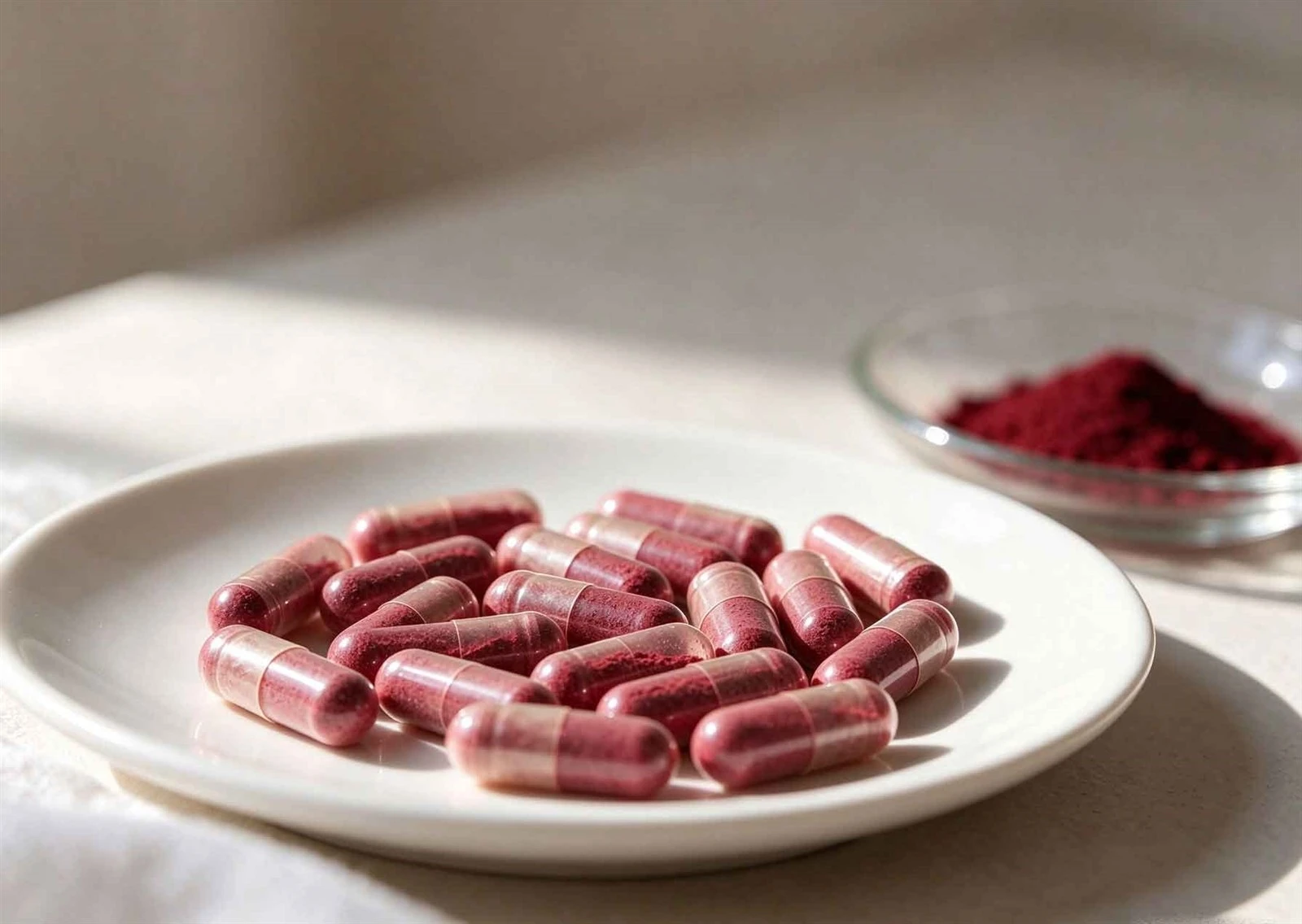
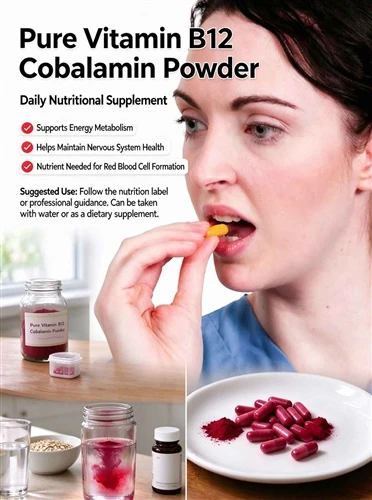
Finished vegetarian capsules filled with methylcobalamin powder. The light red tint inside the capsule is a visual cue consumers now associate with "active B12."
Beyond capsules and sublinguals, we're seeing increasing demand from two less obvious directions. The first is functional beverage and fortified food - though methylcobalamin's light sensitivity makes it tricky in clear packaging. The second is topical and cosmetic formulations, where B12's role in skin barrier repair and redness reduction has attracted a wave of indie skincare brands in the last 18 months.
For B2B buyers, this means the customer asking about methylcobalamin powder today might be a contract manufacturer, a functional food brand, or even a skincare formulator - not just the supplement company you've been selling to for years. Understanding which application they're targeting changes everything about the specification you recommend, from the required purity grade to the recommended particle size for uniform blending.
The bottom line for raw material buyers
Methylcobalamin isn't replacing cyanocobalamin in every application - it shouldn't. For mass-market fortified cereals, standard multivitamins, and pediatric supplements, cyanocobalamin remains the practical choice on cost and stability grounds. But for premium supplement lines, sublingual products, formulations targeted at aging populations, and increasingly the clean-label and "methylated" segments, methylcobalamin has crossed from niche to mainstream.
The buyers who win in this shift aren't the ones chasing the cheapest per-kilo price. They're the ones who can tell the difference between a real methylcobalamin COA and a blended sample, who understand why that red color matters for product stability, and who can advise their customers on which B12 form actually fits the finished product they're trying to build.
References
National Institutes of Health, Office of Dietary Supplements. Vitamin B12 Fact Sheet for Health Professionals. 2024 update.
U.S. Food and Drug Administration. GRAS Notice Inventory - Methylcobalamin as a nutrient ingredient.
European Food Safety Authority. Scientific Opinion on the Tolerable Upper Intake Level of Vitamin B12. EFSA Journal.
Stabler SP. Vitamin B12 deficiency. New England Journal of Medicine. 2013;368(2):149-160.
Berner S, et al. Comparison of hematological and neurological responses to oral methylcobalamin vs cyanocobalamin in B12-deficient patients. Clinical Nutrition Research.