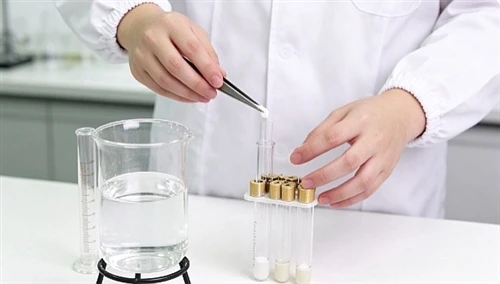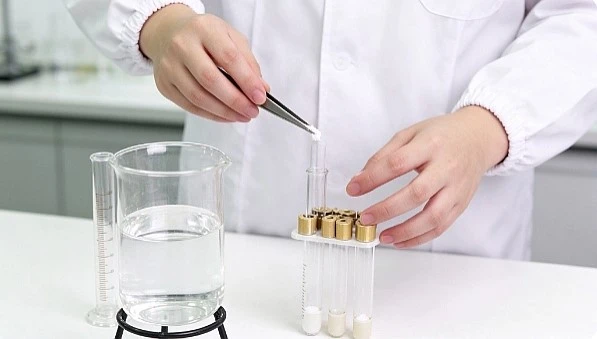
Intro Fragrance oils are tricky formulation ingredients. We've seen many buyers lock in bulk orders right after checking quotes and sniffing a blotter sample, only to run into expensive headaches later. Once blended into your base, the scent can shift, products can discolor, candles deliver weak scent throw, or the mix separates. These problems won't show up just from reading a COA or smelling neat oil on paper - especially for gourmand blends like almond fragrance oil. A small lab trial with matching batch samples is your best low-cost check before committing to large stock.
Why testing on blotter paper is not enough
Sniffing fragrance oil straight on a test strip only tells you how it smells on its own. When mixed with emulsifiers, soap bases, candle wax or carrier oils, the whole profile changes. pH, processing heat, packaging type and even how you store finished goods all interact with the fragrance components. A nutty, sweet almond note you like on paper can turn bitter, dull or off once it goes into your formula.
What to check in your lab trial
Scent stability: Compare fresh batches against samples stored for 2 to 4 weeks. Watch for drifting notes or unwanted off-smells developing over time.
Base compatibility: Check for cloudiness, sediment or phase separation once you add the fragrance oil into your standard production formula.
Colour stability: Track discoloration under normal lighting and accelerated aging conditions.
Heat tolerance: If you make candles or melt-and-pour soap, test the scent at your usual pouring temperature.
Regulatory check: Match the batch allergen documents against your local labelling and compliance rules.
The real cost of skipping sample testing
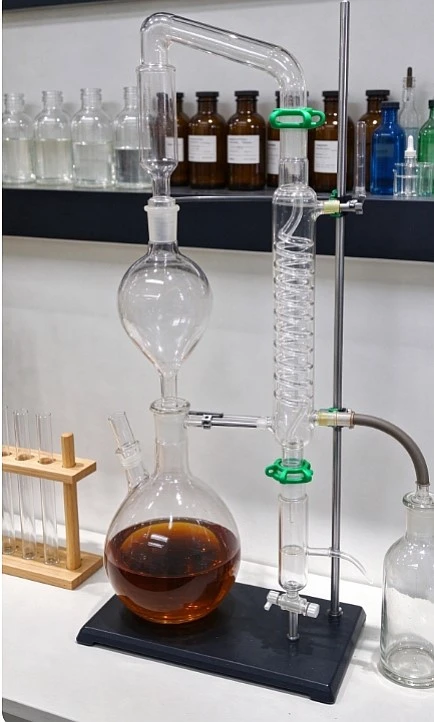
Industry records show roughly 32% of manufacturer complaints tied to fragrance materials happen because teams skipped pre-production compatibility testing. The loss is not limited to the fragrance oil itself. Factories also waste labour, packaging and shipping costs, plus face production delays.
A small sample trial costs very little and helps you avoid writing off an entire production run.
Practical workflow when sourcing fragrance oil
Ask for samples pulled from the exact batch, together with COA, MSDS and allergen statement.
Run your tests using your normal production settings, not simplified lab conditions.
Keep test samples in regular warehouse storage to monitor long-term stability.
Confirm all performance points pass before confirming bulk order and shipment.
Save the reference sample batch information so repeat orders stay consistent.
Closing
For almond fragrance oil and other compound gourmand aromas, consistency and how it works inside your formula matter most. Testing samples is not an optional extra step; it is standard practice for anyone sourcing fragrance responsibly. If you are looking at almond fragrance oil for your next production run, reach out to us to get matched batch samples for your formulation testing.
If you would like to know more about almond oil, please click here.
Data Source
IFRA (International Fragrance Association) Guidance Notes on Fragrance Compatibility Testing, 2024
Personal Care Products Council (PCPC) Recommended Practice for Formulation Stability Testing
Global Cosmetic Ingredient Network (GCIN), 2025 Fragrance Sourcing Pain Point Survey: 32% of fragrance-related production failures linked to missing pre-bulk formulation trials