Allantoin Powder: The Gentle Multi-Tasker Every Clean Skincare Formulation Needs
If you have spent any time developing gentle skincare lines for sensitive, reactive or easily irritated skin, you know the challenge: many popular soothing 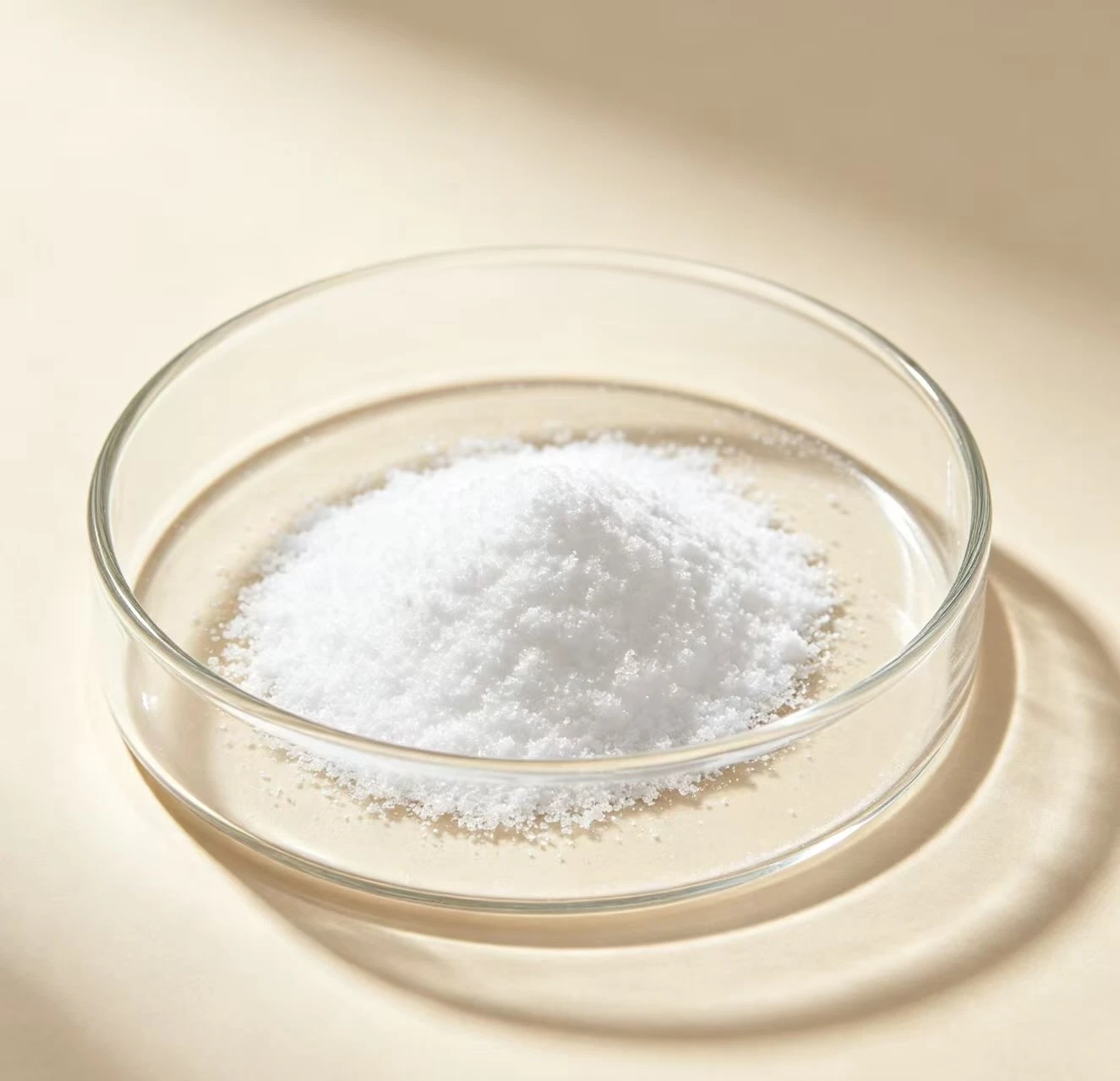 botanicals come with batch-to-batch inconsistency, high cost, or unexpected allergen risks. Brands chasing clean beauty claims, baby-safe formulas and post-procedure soothing products are constantly hunting for a reliable, stable, cost-effective active that delivers consistent benefits without complication. That ingredient is cosmetic grade allantoin powder.
Allantoin is one of the most underappreciated workhorses in the cosmetic lab. Unlike trendy plant extracts that rise and fall with social media trends, allantoin has maintained its place in formularies for decades, valued for its mild profile and versatile benefits. For brand owners and cosmetic chemists building private label skincare, bulk allantoin powder offers a simple way to add skin-soothing and keratolytic support across nearly every skincare category.
What Exactly Is Allantoin Powder?
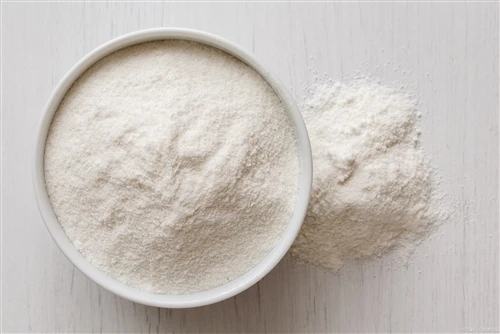
Allantoin, INCI name Allantoin, is a white, free-flowing crystalline powder. It can be synthetically produced or extracted naturally from plants such as comfrey root. Most cosmetic-grade allantoin used globally is synthetically manufactured today, which delivers superior purity, consistent quality and avoids contamination risks often linked to botanical harvests. This synthetic version is structurally identical to the allantoin found in nature and carries the same skin benefits.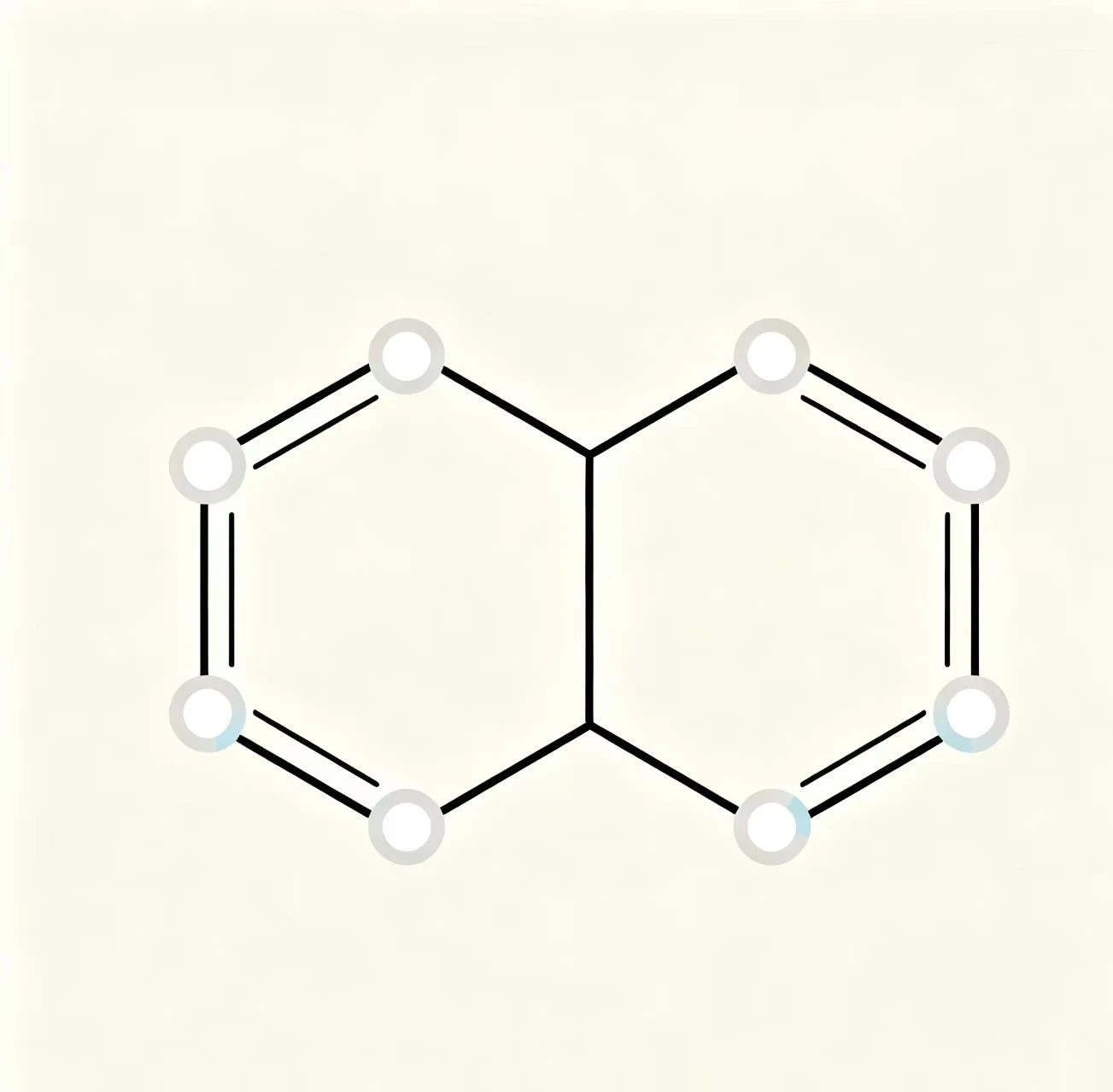
It is important to clarify a common misunderstanding: allantoin is not a preservative, not a fragrance, and not an antioxidant. It is classified as a skin conditioning agent, soothing agent and keratolytic agent for cosmetic applications. It is odourless, stable under normal storage conditions, and compatible with most common cosmetic raw materials.
Cosmetic grade allantoin powder is widely accepted under global cosmetic regulations. It complies with REACH requirements in the EU, approved for cosmetic use by the FDA in the United States, and can be used in formulations targeting clean beauty when sourced from certified suppliers. Many clean beauty frameworks including COSMOS allow synthetic allantoin, a point that helps brands avoid confusion when building ingredient decks for eco-conscious buyers.
Core Skin Benefits of Allantoin for Skincare Formulas
The primary value of allantoin comes from its dual action: it calms irritation while supporting healthy skin turnover.
First, allantoin delivers soothing and anti-irritant effects. It helps reduce visible redness, stinging and discomfort triggered by environmental stressors, sun exposure, chemical exfoliants, retinoids or harsh surfactants. This makes it a staple ingredient in after-sun care, post-shave balms and barrier-repair products. It works exceptionally well for skin that is prone
to reactivity, making it ideal for sensitive skin ranges and children's mild body care.
Second, allantoin offers gentle keratolytic activity. It softens excess keratin on the skin surface, helping lift dead skin cells gently without harsh exfoliation. This action smooths rough texture on elbows, knees, heels and chapped lips. Unlike AHAs or BHAs, it does not disrupt the skin barrier aggressively, so it can be incorporated into daily-use products.
Third, it supports skin regeneration. It encourages the natural repair process of superficial micro-damage, which is why it is frequently added to products designed for minor skin irritation, dry cracks and post-aesthetic care. It does not heal wounds or treat skin disease - cosmetic claims must stay within boundary - but it creates a favourable environment for the skin's natural recovery.
Allantoin also brings secondary moisturising support. It helps improve the skin's surface hydration by smoothing the stratum corneum, reducing tight, dry sensations. While it is not a humectant like glycerin or sodium hyaluronate, it pairs beautifully with humectants and emollients to build balanced, non-greasy moisturising systems.
Formulation Guide: How to Work With Allantoin Powder
 One reason formulators love allantoin powder is its user-friendly handling. It dissolves in water at warm temperatures; solubility improves at 40–60°C. It is stable across a broad pH range, typically pH 4 to 7, matching the pH environment of most facial and body skincare.
Recommended use rates sit between 0.1% to 0.5% for most leave-on products such as serums, creams and lotions. Some heavier body balms, foot repair creams and lip treatments can go up to 1.0%. Higher loading does not automatically create stronger effects and may increase the risk of recrystallisation in finished formulas, so formulators should test each matrix carefully.
Allantoin has excellent synergy with many popular cosmetic ingredients. It combines well with panthenol (vitamin B5), sodium hyaluronate, ceramides, centella asiatica extract and bisabolol to create layered soothing and barrier-repair complexes. These blends are extremely marketable for sensitive-skin hero products.
For best results, avoid pairing allantoin with extremely high concentrations of strong acids in the same phase unless you adjust pH properly. Strongly acidic environments may impact long-term stability.

It fits into nearly every cosmetic format:
-Soothing facial serums and barrier repair creams
-After-sun gel and moisturiser
-Post-shave lotion and balm
-Baby body lotion and gentle wash
-Lip balm and cuticle care cream
-Foot repair cream for dry, cracked skin
-Gentle mask formulas
Common Myths About Allantoin Powder
Misinformation around allantoin often leads formulation teams astray.
Myth 1: Allantoin is a preservative. This is false. It has no meaningful antimicrobial activity. You still need a compliant preservative system for water-based products.
Myth 2: Natural allantoin is always better than synthetic allantoin. For cosmetic manufacturing, synthetic allantoin usually provides higher purity, fewer heavy metal risks and consistent batch data. Natural allantoin from comfrey may carry trace alkaloids that restrict usage in some regions.
Myth 3: More allantoin equals faster repair. The benefits plateau above 0.5% in most leave-on formulas. Overdosing mainly raises stability risks without marketing or performance gain.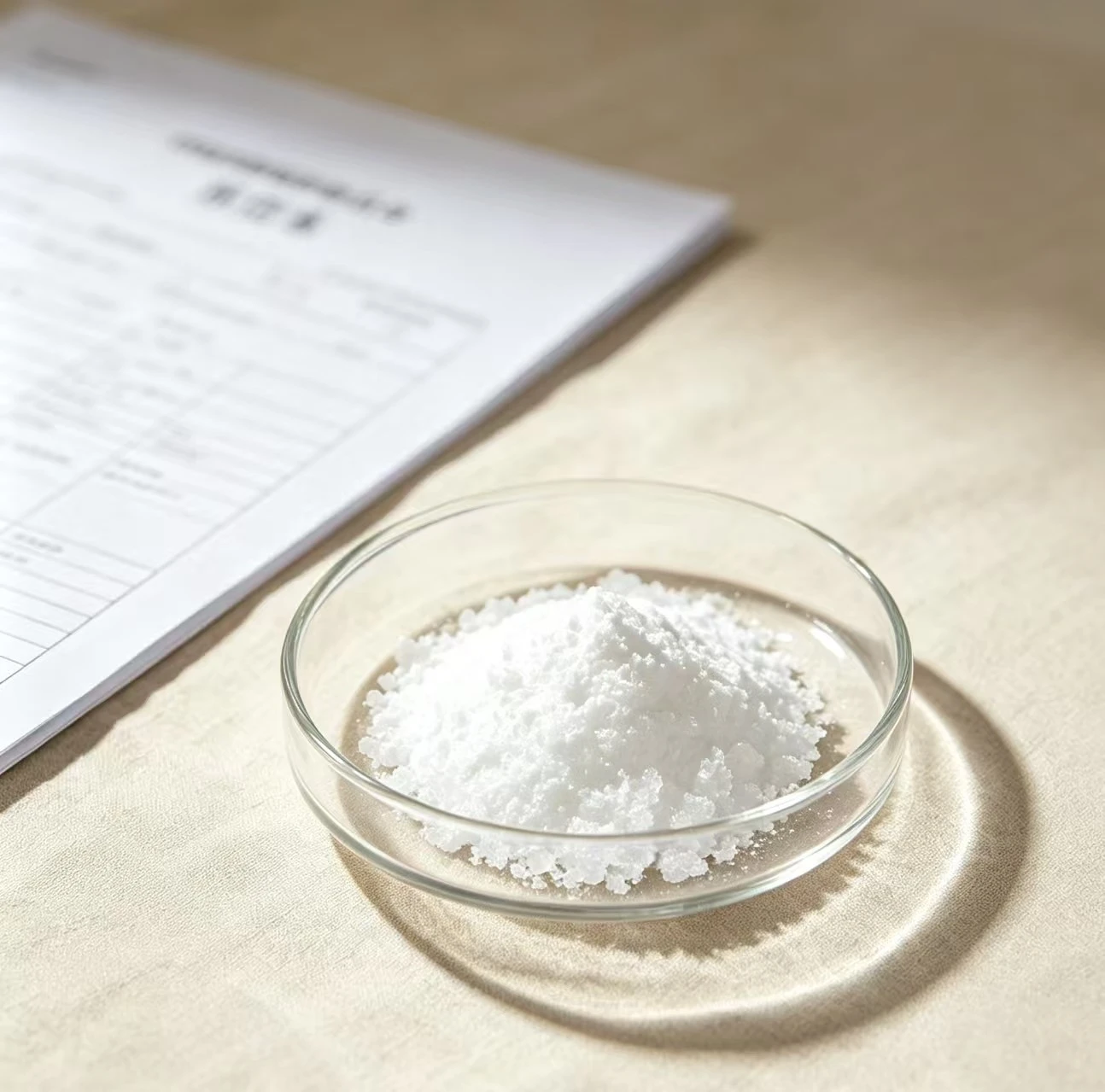
How to Select High-Quality Allantoin Powder for Your Brand
When sourcing bulk allantoin powder, brand buyers should focus on a few key quality markers. The powder should be white or off-white, crystalline and free from clumps. Reputable suppliers provide full COA documentation covering assay purity, loss on drying, heavy metals, microbial limits and appearance.
Storage conditions matter for long shelf life. Allantoin powder should be sealed, kept away from direct sunlight and high humidity. Moisture exposure can cause caking, which makes weighing and dispersion harder during production.
Before full production runs, always run compatibility and stability testing in your specific formula matrix. COA data confirms raw material quality, but finished product stability is determined by your full formula, packaging and storage cycle.
Closing Thoughts
Clean skincare is no longer only about exotic plant ingredients. It is about predictable, safe, functional ingredients that brands can rely on batch after batch. Allantoin powder is a foundational ingredient that adds tangible soothing benefits to countless formulations, without the volatility and premium cost of many trendy actives.
Whether you are developing a best-selling sensitive skin cream, an after-sun line, a baby care collection or a rough-skin repair balm, allantoin deserves a permanent spot in your formulation toolkit. It is simple, stable, compliant and continuously valued by cosmetic chemists around the world. If you are building a new hero soothing product, start by asking: is allantoin powder in your formula?
SEO Metadata
Meta Title: Allantoin Powder: The Gentle Multi-Tasker for Clean Skincare Formulations
Meta Description: Learn about cosmetic grade allantoin powder, skin benefits, formulation usage rate, ingredient compatibility, compliance and tips to select high-quality bulk allantoin for sensitive skincare.