Formulators and bulk raw material buyers face constant decisions when developing skincare and dietary supplement products. Plant peptides and marine-derived peptides stand as two widely adopted natural peptides within clean beauty and oral nutrition sectors. Produced from distinct biological feedstock through enzymatic hydrolysis to release small active fragments, they show clear differences in formulation performance, compliance labeling and supply chain conditions. When brands launch product lines for regional markets, the selection of peptide sources shapes label claims, consumer acceptance and long-term supply reliability.
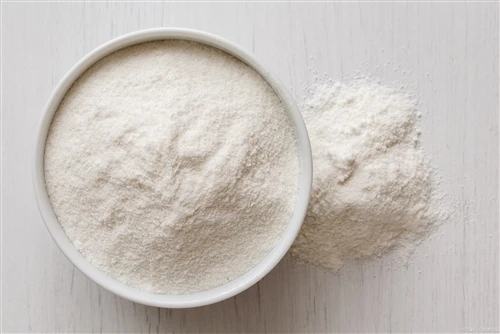
 Plant peptides are commonly produced from terrestrial plant proteins including pea, rice and soybean. Controlled enzymatic hydrolysis breaks long protein chains into peptide mixtures with molecular weight ranging from 500 Da to 3000 Da. These materials fit vegan requirements and serve the rising global demand for vegan beauty. Plant peptides dissolve well in cold water and work smoothly in serums, aqueous formulas and powdered dietary blends. Soy-based plant peptides carry allergen concerns while pea and rice peptides show comparatively lower allergen risk. Their active strength focuses on antioxidant and anti-glycation benefits, widely used in formulas targeting barrier support and dullness improvement. Plant feedstock grows across multiple regions with regular harvest cycles. Supply suffers less disruption from localized emergencies and price stays relatively steady. Qualified suppliers can provide GMO screening and pesticide residue reports to meet standard import requirements for cosmetics sold in EU and Southeast Asia. Hydrolyzed Pea Protein Peptide,
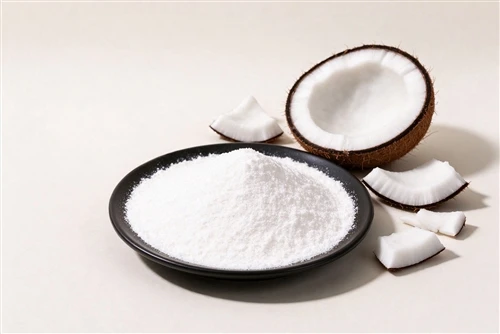
 Marine-derived peptides are mainly processed from seafood by-products such as fish skin, fish scale and seaweed protein with targeted enzymatic hydrolysis. These peptides contain abundant hydroxyproline, an amino acid rarely found in terrestrial plant proteins. Marine peptides often reach a lower average molecular weight. Favored for good absorption by skin and human body, they are popular in anti-aging firming skincare and oral beauty supplements. Production reuses leftover materials from seafood processing and follows circular raw material principles. Marine peptides carry inherent seafood allergen risk. Brands targeting sensitive users need clear allergen statements on final packaging. Fishing regulations and coastal water quality rules influence raw material collection. Heavy metals and arsenic sit on the mandatory testing checklist for buyers. Some premium buyers request supporting documents for sustainable fishing, which extends sample review and compliance checks. Fish Collagen Oligopeptides
Buyers need practical evaluation standards aligned with their product portfolio. Vegan, Halal and Kosher certifications grant access to niche markets. Plant peptides obtain vegan certifications more easily while marine-derived peptides cannot qualify for vegan claims. Odor and color influence final fragrance and appearance. Plant peptides normally have mild scent and pale yellow color. Marine collagen peptides may carry faint seafood notes that require odor masking during formulation. Bulk pricing for standard-grade plant peptides is more cost-effective. Marine peptides involve extra purification steps and come at a higher cost at equal purity.
Product categories determine suitable peptide options. Clean beauty, vegan skincare and gentle formulas for maternal care tend to adopt plant peptides to avoid seafood allergens and match plant-based brand positioning. Premium anti-aging salon skincare and oral collagen supplements frequently select marine peptides for its unique amino acid profile for repair and firming claims. Many formulation teams explore blended systems combining antioxidant effects from plant peptides and repairing benefits from marine peptides to enrich product functions.
Risk management for bulk purchase relies on standardized document checks. Orders for plant peptides require verification of consistent hydrolysis degree, pesticide residues, GMO status and allergen control records. Marine peptide orders focus on heavy metal tests, microbial limits, seafood allergen declarations and origin traceability. Buyers should request COA and TDS before bulk orders and run small formulation trials to test solubility, system compatibility and irritation potential. Trial data helps foresee compatibility issues and cut production waste in mass manufacturing.
From 2026 to 2027, demand within natural peptide markets moves along separate paths. Global vegan and animal-free beauty markets keep expanding and lift demand for plant peptides. Premium anti-aging skincare and oral beauty segments maintain steady consumption of marine-derived peptides. Upgrades in hydrolysis equipment and processing technology improve batch consistency for both types and narrow gaps of active parameters across lots.
No single peptide source fits every project perfectly. The right choice depends on brand target markets, labeling plans and formulation goals. Buyers can lock in suitable options after matching core selling points of finished goods with material features. Brands can request samples from suppliers for internal formulation testing and collect full compliance documents to move new product development forward.
Reference List
[1] Laaksonen, O., & Ritala, A. (2019). Plant and Microalgae Derived Peptides Are Advantageously Employed as Bioactive Compounds in Cosmetics. Frontiers in Plant Science, 10, 756.
[2] Pozzolini, M., Millo, E., Oliveri, C., Mirata, S., Salis, A., Damonte, G., Arkel, M., & Scarfi, S. (2018). Elicited ROS Scavenging Activity, Photoprotective, and Wound-Healing Properties of Collagen-Derived Peptides from the Marine Sponge Chondrosia reniformis. Marine Drugs, 16(12), 465.
[3] Liang, J., Li, Q., Lin, B., et al. (2018). Marine Collagen Peptides from the Skin of Nile Tilapia (Oreochromis niloticus): Characterization and Wound Healing Evaluation. Marine Drugs, 16(5), 162.
[4] Hall, F., et al. (2026). Antioxidant and Skin-Related Activities of a Plant-Derived Peptide Preparation in Human Skin Cells. Cosmetics, 13(4), 171.
[5] Shahidi, F., & Ambigapalan, P. (2025). Bioactivity of Marine-Derived Peptides and Proteins: A Review. Marine Drugs, 23(4), 157.
[6] Mordor Intelligence. (2026). Cosmetic Peptide Synthesis Market Size, Share & Forecast Report 2026–2032. m