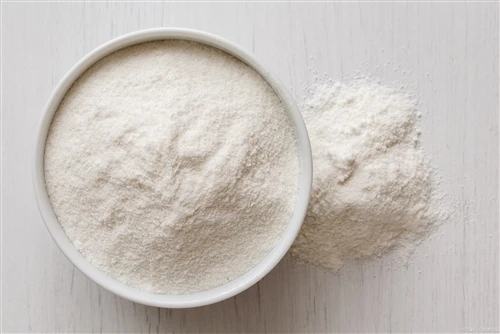
Why High-Purity Niacinamide Is Supposed to Be Safe
Niacinamide is a staple multi-functional active, valued for brightening, oil control, and barrier repair. Its main irritant is niacin residue, so high-purity grades are designed to minimize this impurity. On paper, this makes high-purity niacinamide irritation-free. But real-world formulation and storage conditions always throw curveballs that lab tests ignore.

The Hidden Culprits Behind Irritation (Supplier Undisclosed)
Irritation almost never comes from niacinamide itself. It stems from four underrated, often overlooked factors.
1. Trace niacin residue accumulation All commercial niacinamide meets official standards, but "qualified" does not mean zero-residue. Micro-level niacin traces are harmless for normal skin but build up over shelf time. For sensitive or barrier-impaired skin, these tiny residues trigger consistent stinging and flushing - creating random, hard-to-troubleshoot negative feedback.
2. Post-factory degradation Raw material quality is tested before shipping, but heat swings, humid containers, and long overseas transit cause slow molecular degradation. Even perfect batches can generate irritating by-products before they reach your production line. This post-purchase risk is rarely mentioned by suppliers.
3. Unbalanced formula pH Niacinamide has a narrow stable pH window. Slightly acidic or alkaline systems break down its structure, creating irritable compounds. Many formulators blame the raw material, while the real issue lies in unstable formula pH settings.
4. Over-stacked active ingredients Layering VC, AHAs, or retinol with niacinamide is trendy for marketing, but it overloads the skin barrier. The resulting sensitivity is frequently misattributed to niacinamide alone.
Qualified Raw Material VS Production-Stable Raw Material
This is the key difference that separates average brands from reliable ones: passing a COA test ≠ mass-production friendly.
Standard qualified niacinamide only satisfies minimum industry thresholds. It may still contain unstable micro-components, degrade quickly under variable temperatures, and show inconsistent performance across batches. These small fluctuations don't show up on basic test reports but directly cause unstable finished products and recurring skin irritation issues.
True premium niacinamide focuses on three practical indicators beyond purity:low degradation rate, ultra-stable batch consistency, and minimal residual impurities. For skincare manufacturers, stability always outperforms superficial high-purity marketing numbers. A slightly lower-purity yet fully stable material will always outperform a high-purity but volatile one.
Actionable Solutions to Eliminate Niacinamide Irritation (Full Guide)

To completely fix unexplained niacinamide irritation, brands need systematic upgrades in raw material screening, formula adjustment, and production control.
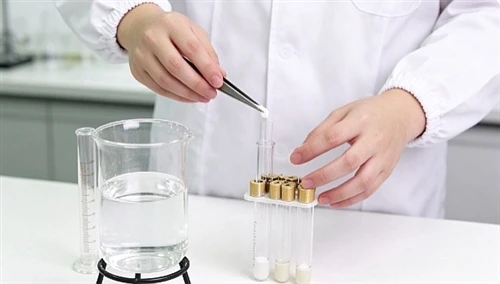
1. Establish stricter raw material screening standards Stop judging niacinamide only by purity values. Always require full stability detection reports, long-term aging test data, and strict niacin residue limit proof. Focus on suppliers that provide consistent batch data instead of one-time perfect test results. Long-term stability is far more critical than a single qualified COA.
2. Lock formula pH within the safest window Standardize your niacinamide formula pH range to avoid molecular cleavage. Keep the system mildly neutral throughout batching and shelf life. Minor pH drifting during mass production is the silent cause of most late-stage product irritation and yellowing problems.
3. Adopt scientific concentration dosage instead of blind high dosage High concentration does not equal better effects. Set targeted dosage according to product positioning: 2%–3% for sensitive skin barrier repair lines, 3%–5% for balanced brightening and oil-control lines, and avoid over 8% in mass-market skincare. Reasonable dosage drastically reduces irritation risks while maintaining stable efficacy.
4. Build a soothing buffer system through scientific compounding Optimize your formula structure by pairing niacinamide with barrier-repair actives. Panthenol, ceramides, and beta-glucan form a protective buffer layer on the skin surface, effectively offsetting micro-stimulation caused by niacinamide degradation or residual impurities. This compounding strategy makes formulas far more tolerant and suitable for global sensitive-skin markets.
5. Standardize storage and incoming material inspection Add aging verification and secondary sampling tests for stocked raw materials. High temperature and humidity during storage will gradually ruin qualified raw materials. A strict incoming inspection system prevents degraded materials from entering production batches.
Conclusion

High‑purity niacinamide irritation is not caused by the ingredient itself. It arises from accumulated micro‑impurities, post‑transport degradation, unstable formula systems, and unscientific compounding methods - problems most suppliers choose to downplay.
Even raw materials with satisfactory lab purity can develop irritative by‑products during long‑haul shipping, temperature shifts and manufacturing. Trace impurities may increase under improper pH or heat, triggering stinging and redness in finished toners, serums and lotions. Many brands misjudge this issue as a concentration‑related side effect, ignoring hidden risks from supply chain and formulation mistakes.
For skincare brands aiming for long‑term stable sales and zero complaint rates, blind pursuit of high purity is no longer enough. Choosing batch‑consistent, low‑degradation niacinamide and building a standardized formulation system is the real solution to eliminate mysterious niacinamide irritation once and for all. Evaluating batch‑to‑batch impurity stability and following compatible compounding rules lets brands safely leverage niacinamide's skin‑benefiting effects while cutting consumer adverse feedback.