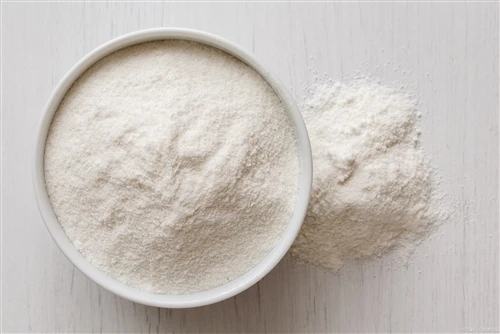
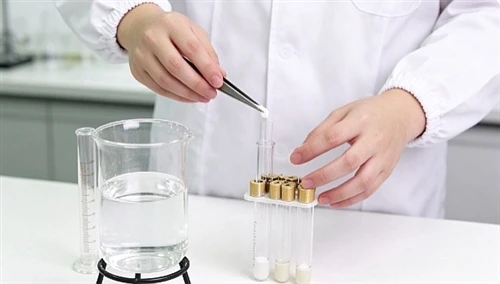
If you work with feed formulation, pet nutrition research or food preservation, you have probably come across organic acid additives. Fumaric acid powder, CAS 110-17-8, is one of the most stable, widely tested dicarboxylic acid options on the market. It naturally exists in some wild plants and fruits, while commercial grade is usually produced via fermentation or chemical synthesis to reach consistent purity, commonly 99.0%–99.5% feed/food grade. Unlike many volatile organic acids that fade quickly during feed extrusion and pelleting, fumaric acid features low volatility and good thermal stability. Its pKa values (3.03 and 4.44) make it effective at suppressing gram-negative pathogens such as E. coli and Salmonella in weakly acidic gut environments, even at moderate inclusion levels. It maintains stable performance even when exposed to the high temperatures common in feed processing. Many formulators prefer it because its effect does not disappear easily after pelleting. It is easy to store and handle compared with highly volatile liquid organic acids. Consistent purity helps formulators get predictable results in every batch of formula.
For animal and pet feed development, its core value is not just "lowering pH". Multiple feeding trials show that properly supplemented fumaric acid helps reduce gastrointestinal pH, improves protein and mineral digestibility, and cuts down the risk of diarrhea in young animals like weaned piglets, juvenile fish and puppy groups. A published trial on Nile tilapia demonstrated that 15 g/kg dietary fumaric acid addition improved growth rate and selectively reduced intestinal Enterobacteriaceae after 35 days of feeding. Researchers pointed out that it helps optimize intestinal villi structure and nutrient utilization, rather than simply killing bacteria broadly. For pet food labs doing formulation research, this is a key advantage: it works as an acidifier, mild preservative and metabolic intermediate at the same time. It participates directly in the tricarboxylic acid cycle, so the animal body can metabolize it naturally without easy accumulation in tissues, which EFSA has confirmed in its safety assessment for all animal species. It supports steady weight gain for young, fragile livestock and pets. It eases the digestive burden when animals switch to new feed formulas. It brings extra benefits for aquaculture feed under high-density farming conditions. It suits both dry pet kibble and farm-made mixed feed for livestock.


In commercial feed production, fumaric acid powder is mostly added as part of premixes. The recommended maximum inclusion for pig and poultry complete feed is 20,000 mg/kg; for milk replacer of young mammals, the advised cap is 10,000 mg/kg. For other animals including dogs, cats and aquaculture species, there is no fixed upper limit, but formulators still need to run small-scale trials before mass production to avoid excessive acid irritation on gut mucosa. Many formulators also mix it with other organic acids (citric acid, formic acid) or plant extracts to achieve synergistic antibacterial and anti-stress effects. Compared with single acid products, compound blends often show better performance under high-temperature pelleting and long storage. Mixing it inside premixes helps spread the acid evenly across every feed pellet. Factory technicians can adjust dosage easily according to customer feed recipes. It pairs well with other functional additives without obvious incompatibility. Stable properties reduce quality risks during long-distance feed transportation.
For food applications, fumaric acid acts as an acidulant, flavor modifier and shelf-life stabilizer. It is widely used in beverages, bakery, confectionery and fruit preparations.
It brings a clean tart taste and can strengthen the preservative effect together with sodium benzoate in acidic food systems. One point buyers often overlook: fumaric acid powder is slightly soluble in water (around 7 g/L at 25°C).
If your formula requires fast water dissolution, you may need to consider fumarate salts instead of raw fumaric acid powder. When handling the powder, dust protection is required, as fine powder may irritate eyes and respiratory tract, as noted in EFSA safety guidance for operators.
It delivers a clean, sour taste that will not overpower the original food flavor. Food makers use it to balance sweetness in fruit drinks and baked goods.
It supports shelf-life extension without strong chemical odors. Formulators need to test solubility first for liquid beverage systems.


Storage rule is simple: sealed, cool and dry warehouse, away from direct sunlight. Under proper storage, the shelf life of qualified fumaric acid powder can reach 24 months.
It is a common standard bulk chemical, easy to transport as normal non-dangerous goods, which helps keep the supply chain stable for regular feed and food manufacturers. For our B-side customers, we supply 99% feed grade and food grade fumaric acid powder, with COA, SDS and batch test reports available for each shipment. Samples are available for lab formulation and animal feeding test before bulk order. We support small trial samples for customers to run their own formulation tests. Each shipment comes with complete documents for import clearance. We keep stable stock to meet recurring bulk orders for feed and food factories. Our technical team can offer basic dosage suggestions for your reference. We can pack the goods in drums or woven bags according to your packaging requirements. Custom labeling is acceptable to match your brand and local import standards. We arrange flexible shipment terms to suit different customer logistics plans. All batches are inspected strictly before leaving our warehouse. We maintain responsive communication for after-sales technical inquiries.
References
- EFSA Panel on Additives and Products or Substances used in Animal Feed (FEEDAP). Safety and efficacy of fumaric acid as a feed additive for all animal species. EFSA Journal, 2013, 11(2): 3102.
- das Neves, S.C.V., et al. Dietary Supplementation with Fumaric Acid Improves Growth Performance in Nile Tilapia Juveniles. Animals, 2022, 12(1):8.
- Kirchgessner M, Roth F X. Fumaric acid as a feed additive in pig nutrition. Pig News and Information,1982,3:259.
- EFSA Panel on Additives and Products or Substances used in Animal Feed (FEEDAP). Renewal of authorisation for fumaric acid feed additive. EFSA Journal, 2024, 22(10):9019.
- JECFA. Fumaric acid, FAO/WHO food additive monograph, 1974.