The protein ingredient market is becoming an increasingly important part of global food, nutrition, sports nutrition, and beauty product development. As manufacturers look for ingredients that can fit different formulations and consumer preferences, protein ingredients are no longer limited to a single product category. Plant proteins, animal-derived proteins, and protein peptides each offer different formulation possibilities, creating opportunities for ingredient suppliers and product developers to build more diversified product portfolios.

For B2B buyers, understanding this market is not simply about identifying the next popular protein source. It also involves evaluating ingredient characteristics, processing requirements, application compatibility, quality specifications, and supply-chain considerations. These factors are shaping how protein ingredients are selected and incorporated into finished products.
Understanding the Global Protein Ingredient Market
Protein ingredients serve as fundamental raw materials across a wide range of industries. Their applications can include functional foods, beverages, nutritional products, sports nutrition formulations, dietary supplements, and beauty-related products.
The market is also becoming more diversified. Plant-based protein ingredients are being developed alongside animal-derived protein ingredients and hydrolyzed protein products. This diversity gives manufacturers more options when designing products for different formulation goals, textures, processing conditions, and target markets.
The growing importance of ingredient transparency is another factor influencing purchasing decisions. Buyers increasingly need clear information about ingredient identity, specifications, processing characteristics, and documentation. For international B2B transactions, reliable product information can be just as important as the ingredient itself.
The Food and Agriculture Organization of the United Nations emphasizes the importance of food value chains, including how products are produced, processed, distributed, marketed, and consumed. Its work on sustainable food systems also highlights the role of efficient value chains and business-to-business relationships in creating added value.
Plant-Based Protein Continues to Expand Its Role
Plant protein is an important part of the modern protein ingredient landscape. Soy protein, pea protein, rice protein, and other plant-derived ingredients can be incorporated into different food and nutrition product concepts.
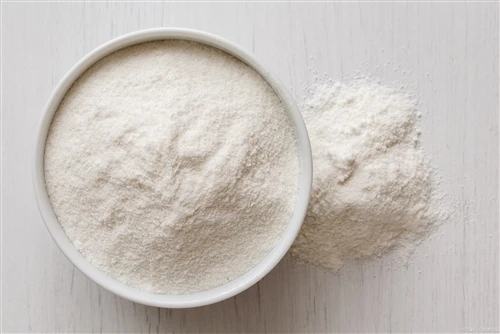
Among these ingredients, Organic Soy Protein Isolate Powder represents a plant-based protein option with clearly defined specifications. The product information available for this ingredient identifies it as an organic soy protein isolate powder derived from selected organic soybeans through separation and purification processes.
According to the product specifications, the protein content is ≥90% on a dry basis. The product is described as a white to light-yellow fine powder, with moisture ≤7.0%, ash ≤6.0%, and fat ≤1.5%. The specification also states that 95% passes through a 100-mesh sieve. Its CAS number is 9010-10-0.
These specifications provide practical reference points for B2B buyers assessing a protein ingredient. Rather than relying only on broad descriptions such as "high protein," procurement teams can compare defined parameters when evaluating raw materials for formulation and manufacturing.
Organic Soy Protein Isolate Powder is also positioned for applications including protein beverages, nutrition bars, and functional foods. Its fine powder form, solubility and dispersion characteristics, and processing stability make ingredient compatibility an important consideration when manufacturers develop protein-containing products.
At the same time, soy is recognized as a major food allergen in the United States. FDA guidance states that foods containing major food allergens must identify the relevant food source on the label. Soybeans are included among the nine major food allergens recognized under current U.S. requirements.
For manufacturers selling products internationally, allergen management and accurate labeling should remain part of the ingredient evaluation process.
 Protein Peptides Create Additional Formulation Opportunities
Protein peptides represent another important category within the broader protein ingredient market. Hydrolysis can be used to produce peptide-based ingredients with characteristics that differ from intact proteins, creating additional options for formulation development.
Hydrolyzed Fish Collagen Peptide is one of the protein peptide ingredients in the product portfolio. The product is identified as a fish-derived collagen peptide powder and is described as a white to light-yellow powder. Its product information notes that it is suitable for use in food, nutrition, and beauty product formulations and can offer good dispersion characteristics after hydrolysis.
The available product information does not specify a fixed purity value for this ingredient. Maintaining this distinction is important when presenting technical information to professional buyers. Product descriptions should reflect confirmed specifications rather than adding unsupported numerical claims.
This approach is particularly relevant in international ingredient procurement. Buyers may compare suppliers based on specification sheets, quality documentation, application compatibility, packaging options, and other confirmed product information. Clear technical communication can reduce uncertainty during the sourcing process
Protein Ingredients Serving Multiple Industries
With the continuous expansion of protein applications, protein ingredients are now widely used across various industries, including food and beverages, sports nutrition, dietary supplements, and beauty-related products. Different types of protein ingredients, such as plant-based proteins and collagen peptides, can be applied in the development of protein beverages, nutrition powders, nutrition bars, functional foods, and other nutritional products according to specific product positioning and market requirements. For manufacturers, selecting suitable protein ingredients involves not only considering protein content but also evaluating factors such as dispersion properties, processing stability, formulation compatibility, and product specifications.
The Importance of Production Technology and Quality Management in Protein Ingredients
The quality of protein ingredients is closely related to production processes and quality control systems. Different types of protein ingredients require specific processing technologies, such as separation and purification processes for plant proteins and hydrolysis technologies for protein peptides, which can influence the characteristics of the final products. For international B2B buyers, accurate product specifications, complete technical documentation, and consistent quality management systems help companies evaluate whether ingredients meet their product development requirements more efficiently. In addition, transparent supply chain management and clear product information are essential for building long-term business partnerships.
Future Development Opportunities in the Protein Ingredient Industry
 The future protein ingredient market is expected to focus more on product diversification, specialized applications, and supply chain transparency. As the food, nutrition, and beauty industries continue exploring new protein sources, plant proteins, collagen peptides, and other specialty protein ingredients will provide more opportunities for product innovation. Meanwhile, buyers are paying increasing attention to product specifications, quality standards, and application suitability. Suppliers that provide clear product information and professional application support can help customers improve product development efficiency and explore new market opportunities.
Building Long-Term Value Through Reliable Protein Ingredients
The protein ingredient market is evolving from a simple focus on protein content toward a broader evaluation of ingredient source, specifications, processing characteristics, application suitability, quality management, and supply-chain reliability.
Organic Soy Protein Isolate Powder demonstrates the growing relevance of clearly specified plant protein ingredients, with confirmed product parameters including protein content of at least 90% on a dry basis, moisture, ash, fat, and sieve specifications. Hydrolyzed Fish Collagen Peptide represents another category within the portfolio, connecting protein peptide ingredients with food, nutrition, and beauty product development.
For manufacturers and distributors, the most valuable ingredient relationships are built around accurate information and consistent communication. When suppliers provide clearly defined product characteristics and practical application information, buyers can evaluate raw materials with greater confidence.
As food, nutrition, sports nutrition, and beauty industries continue to explore different protein formats, suppliers that combine reliable product information with professional B2B support can be better positioned to participate in this evolving market.
The future of protein ingredients will not be defined by a single protein source. It will be shaped by diverse ingredient options, transparent specifications, application flexibility, quality management, and responsible supply chains. For product developers and procurement teams, understanding these factors can provide a stronger foundation for selecting protein ingredients and developing products for international markets.