Global food consumption patterns are undergoing a fundamental shift. Modern consumers pay more attention to ingredient transparency, and reject excessive synthetic chemical additives. This powerful market demand pushes food manufacturers worldwide to accelerate formula upgrading, driving the rapid development of the natural biopreservative industry. Compared with traditional chemical preservatives, biopreservatives derived from microbial fermentation, plant extracts and natural polypeptides feature higher safety, better biocompatibility and cleaner labeling attributes, gradually becoming the mainstream development direction of food preservation technology.
Natural food biopreservatives can be divided into three major categories according to raw material sources: microbial bacteriocins, plant-derived preservatives and natural fermented extracts. Microbial bacteriocins represented by nisin are one of the most mature commercial varieties. They target specific harmful bacteria, have outstanding thermal stability and can adapt to various high-temperature food processing procedures. Plant-based preservatives such as rosemary extract, tea polyphenols and lysozyme also gain growing popularity, favored by brands producing organic food, plant-based meat and ready-to-eat snacks.
Different types of natural preservatives have distinct antibacterial spectra. A single ingredient often cannot suppress all spoilage microorganisms, so scientific compounding has become the mainstream technical solution in the industry.
Regulatory policies in major economies continuously guide the transformation of the preservative market. The United States FDA, European EFSA and food safety authorities in many countries have clarified the applicable scope and maximum dosage of multiple natural biopreservatives. Meanwhile, supervision over synthetic preservatives such as parabens, benzoates and sorbates is gradually tightened. Many food enterprises face pressure to optimize formulas to meet higher export standards. Under such background, natural preservative raw materials with complete certification documents including COA, MSDS and food grade qualification obtain stronger competitive advantages in international trade.


Market research data shows that the global natural biopreservative market will maintain a compound annual growth rate of over 7% until 2032. The Asia-Pacific region leads the growth. The rapid expansion of processed meat, dairy products, bean products, canned food, baked goods and instant food continuously generates new procurement demands. At present, medium and high-end food brands give priority to natural preservation schemes, while mass-market food producers are gradually carrying out phased replacement of chemical preservatives. The market demand presents obvious hierarchical characteristics.
Technological innovation continuously breaks the application limitations of natural biopreservatives. Many natural preservatives are restricted by pH adaptability, heat resistance and antibacterial range. New technologies including strain optimization, advanced purification, microencapsulation and molecular modification effectively improve product stability, expand applicable food systems and reduce effective addition dosage. In addition, customized compound preservative formulas become a new profit growth point for raw material suppliers.
Instead of simply selling single raw materials, professional suppliers provide targeted preservation solutions according to customers' product matrix, processing technology and storage conditions.
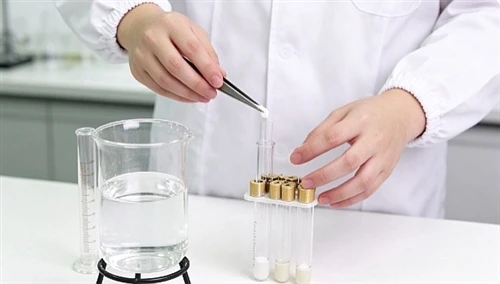
Formulation application is the core challenge restricting the wider popularization of natural biopreservatives. Each natural preservative has selective inhibition on microorganisms. For example, nisin works well against gram-positive bacteria but shows weak effect on gram-negative bacteria and molds; many plant extracts have antioxidant capacity while lacking strong bacteriostatic performance. Blindly replacing chemical preservatives without formula debugging easily leads to insufficient shelf life or changes in food flavor, color and texture. Therefore, food processing enterprises need to cooperate with raw material suppliers for small-scale testing to confirm the optimal formula combination.
Supply chain maturity also affects the popularization progress of natural preservatives. High-quality natural biopreservatives rely on stable fermentation production and strict purification processes. Batch stability, activity consistency and impurity control are key indicators that overseas buyers focus on. International purchasers tend to select manufacturers with standardized production workshops, complete traceability systems and long-term stable supply capacity.


Small-scale manufacturers with unstable quality are gradually eliminated amid intensified market competition.
Looking forward to the future, the penetration rate of natural biopreservatives will keep rising along with the deepening of the clean label wave. The industry will show two major trends: first, continuous upgrading of single raw material purity and performance; second, customized compound preservation solutions will become mainstream service models. Suppliers that integrate raw material production, formula research and export certification services will occupy a more dominant position in global market competition. For global food manufacturers, reasonably matching natural biopreservatives is an effective strategy to balance food safety, product sensory quality, shelf-life control and international market access requirements.