What is PHGG?
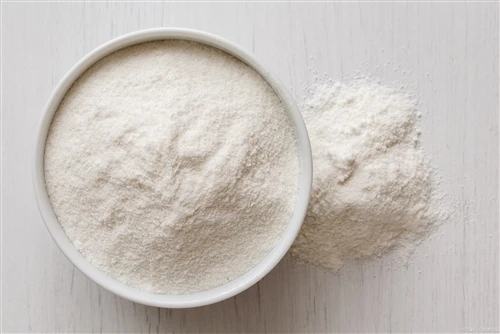
PHGG, short for Partially Hydrolyzed Guar Gum, is a natural, plant-based soluble dietary fiber.

Source for PHGG
Guar bean (Cyamopsis tetragonoloba) is an annual upright tropical herb of the genus Cyamopsis in the legume family, native to the desert fringes of the western Indo-Pakistani subcontinent. Since ancient times, guar beans have been consumed as vegetables across India and Pakistan. Its tender shoots can be eaten as leafy greens, while young guar pods and fresh green beans are staple ingredients in daily diets throughout India and Pakistan, widely used for curries, stir-fries and other dishes. Guar beans have also been successfully introduced and cultivated in regions such as Hainan Province, China.
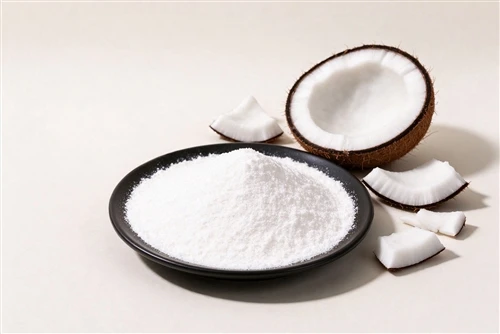
Guar gum is made by processing the endosperm from the middle layer of guar beans after removing the outermost seed coat, the innermost embryo and cotyledons. Guar gum is a large-molecule natural hydrophilic colloid and a natural food additive, which has the functions of thickening and stabilizing. As a polysaccharide that can increase viscosity, it is often used in foods such as ice cream. Guar gum is also utilized as dietary fiber.


Manufacturers produce PHGG via controlled enzymatic hydrolysis, which breaks the long, thick polysaccharide chains of raw guar gum into shorter molecular fragments.

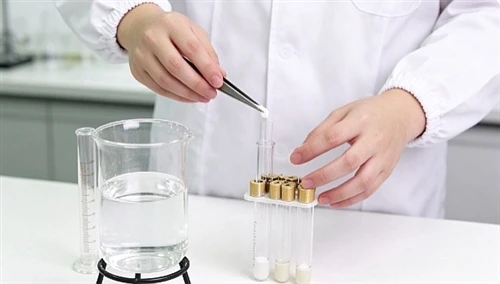
Regular guar gum acts as a thickening agent and creates a sticky, highly viscous gel when mixed with water. After hydrolysis, PHGG loses that thickening property. It dissolves fully in water to form a clear, tasteless, low-viscosity solution. Classified as a galactomannan prebiotic fiber, PHGG travels intact through the upper digestive tract and reaches the colon. There it undergoes slow, steady fermentation by beneficial gut bacteria, supporting the production of short-chain fatty acids (SCFAs) including butyrate. One standout characteristic: PHGG is certified Low FODMAP at standard daily servings. Unlike fast-fermenting fibers such as inulin and FOS, its gradual fermentation pattern lowers the risk of sudden bloating and excess gas - a key reason it appeals to people with sensitive digestion.
Global Regulatory & Certification Status of PHGG
One key reason digestive health professionals trust PHGG is its decades-long safety evaluation and official approvals across major global markets.
United States
PHGG holds Self-Affirmed GRAS (Generally Recognized As Safe) status. The FDA officially recognizes PHGG as a valid dietary fiber, permitted for use in food, beverages and dietary supplements nationwide.
European Union
PHGG received EU-wide Novel Food approval in 1997. The European Food Safety Authority (EFSA) has published multiple scientific safety evaluations for PHGG. It can be legally used in functional foods, nutritional drinks and food supplements within all EU member states.
Canada
Health Canada approves PHGG as an official dietary fiber source. Notably, PHGG is one of very few fiber ingredients authorized for specific digestive-related physiological claims under Canadian regulatory standards.
Japan
PHGG obtained an official ingredient monograph published in 1990. It is classified as a permitted functional food raw material, available for formulation in food and nutritional products without extra pre-market review.
Australia & New Zealand
PHGG is approved for foods and supplements under FSANZ regulations. Standard servings of PHGG qualify for Monash University Low FODMAP Certification, making it suitable for consumers following low-FODMAP dietary protocols for sensitive digestion.
India
PHGG (marketed as Sunfiber) has secured approvals from FSSAI, with authorized physiological claims related to bowel regularity and postprandial blood glucose management.
Global Independent Certification
Monash University Low FODMAP Certification
At typical daily intake levels (up to 5g per serving), PHGG is certified Low FODMAP. This independent certification distinguishes PHGG from many common prebiotic fibers that cannot be used during the low-FODMAP elimination phase.

Unique Characteristics of PHGG (Partially Hydrolyzed Guar Gum)
Physiological & Gut-Friendly Traits
Slow and Gentle Fermentation in the Colon PHGG travels intact through the stomach and small intestine and is fermented gradually by beneficial bacteria in the colon. Unlike fast-fermenting fibers such as inulin and FOS, slow fermentation greatly reduces the risk of bloating, gas and abdominal discomfort.
Classified as Low FODMAP at Standard Dosage At regular serving amounts, PHGG holds Monash University Low FODMAP certification. It is suitable for people with sensitive digestive systems following low-FODMAP eating patterns.
Natural Prebiotic Fiber PHGG feeds commensal gut microbiota and supports the production of short-chain fatty acids (SCFAs), which contribute to colon health and balanced gut environment.
Supports Consistent Bowel Regularity It helps maintain healthy stool consistency, supporting comfortable digestion without harsh laxative effects.